

January Programs
Join us in Rome in 2025!
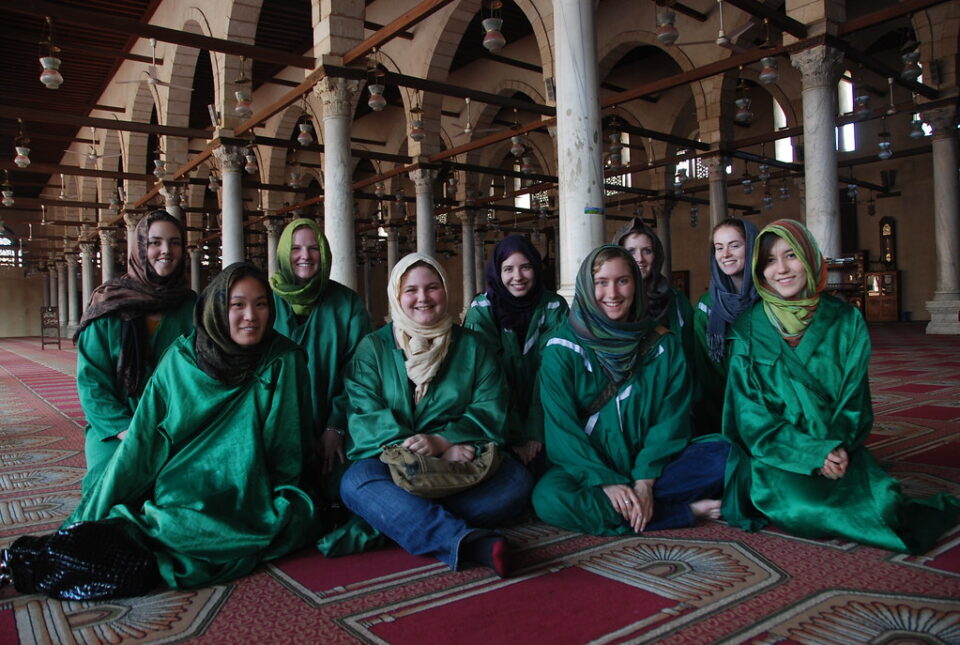
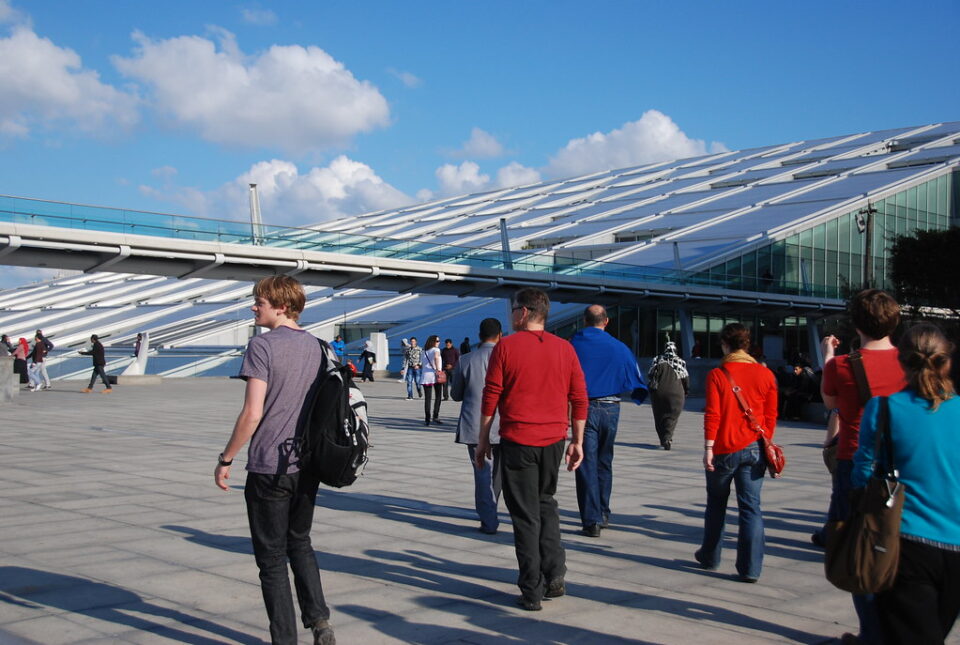
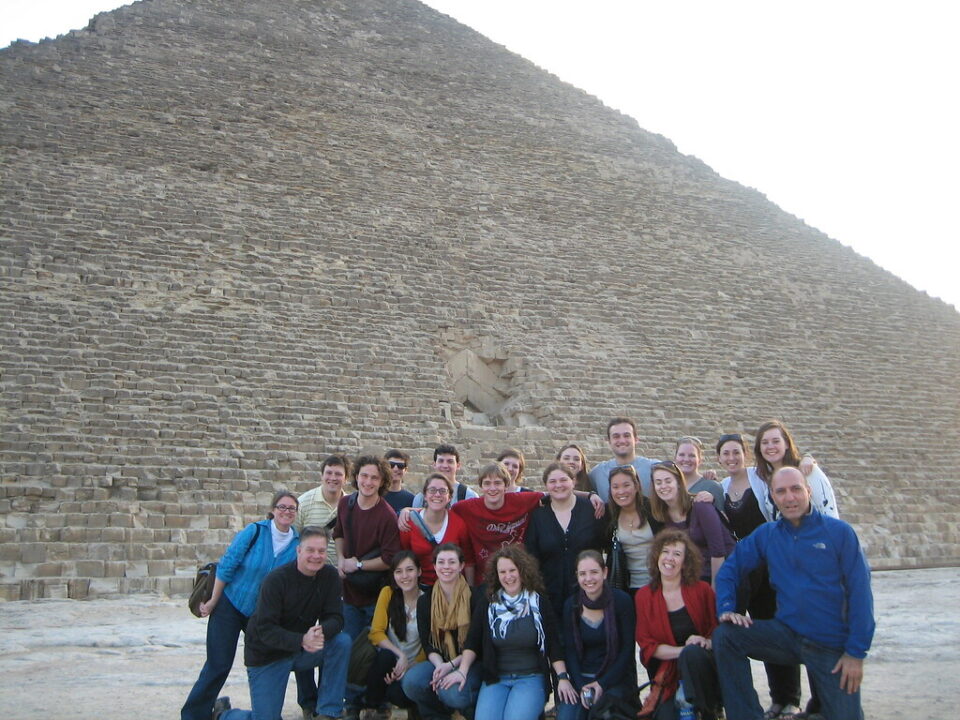
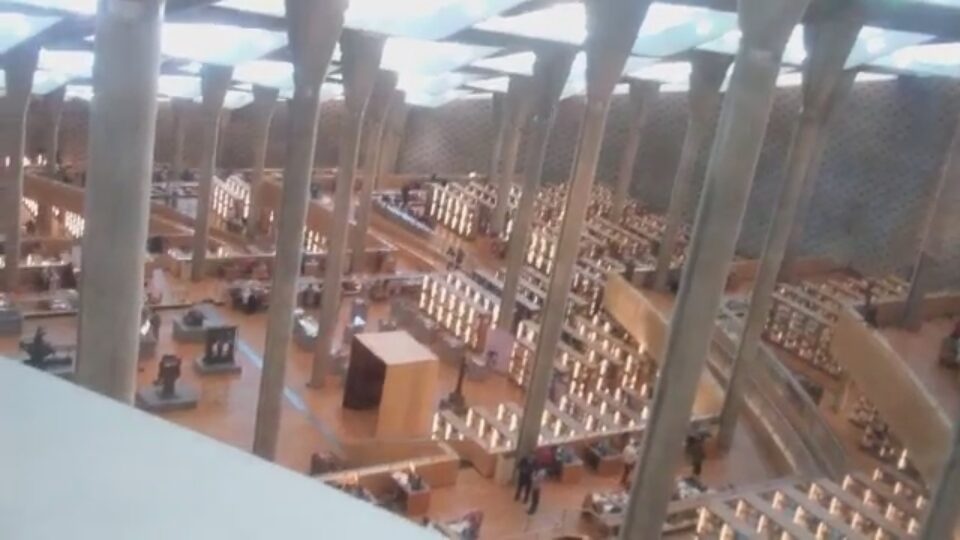
Faculty members from the Macalester Classical Mediterranean and Middle East department offer a January program approximately every other year. These programs are available to all Macalester students and have included a regular course on ancient Rome and Pompeii. January programs to other destinations have also been offered; one explored the history and archaeology of Turkey, another combined the popular Rome program with travel to Alexandria and Cairo.
CLAS 155 – January in Rome: The Art, Archaeology, and Urban History of Ancient Rome
(2 credits)
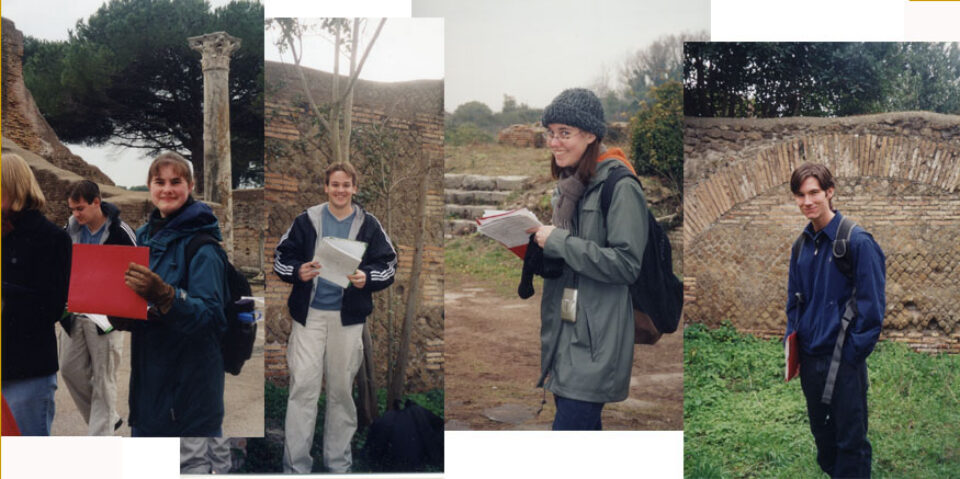
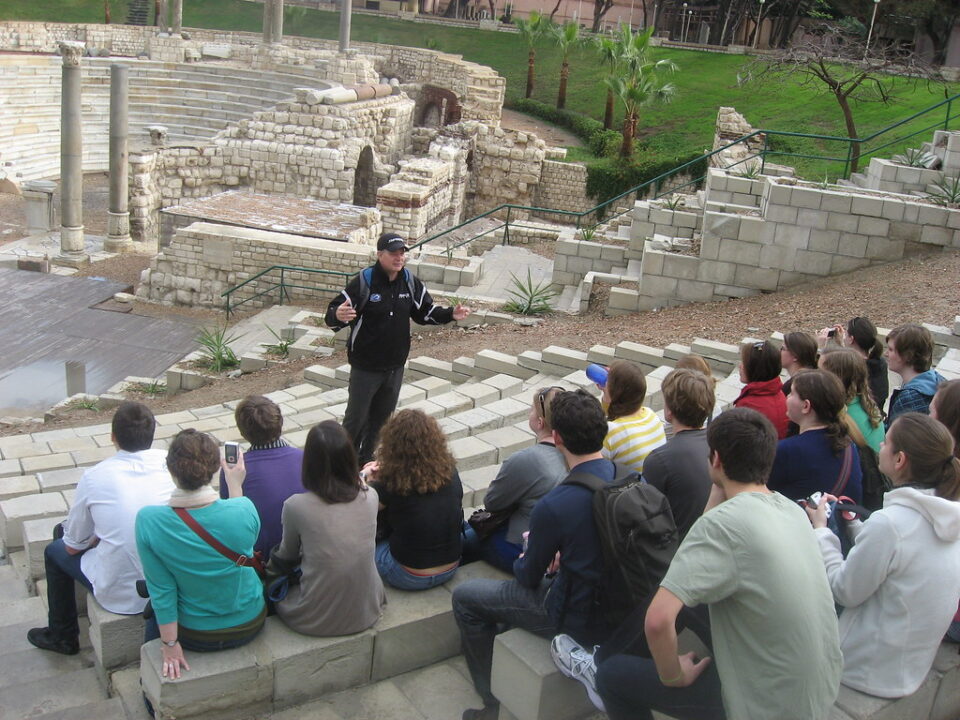
Course Description: On-site exploration of the major spaces, surviving monuments and artifacts of the city of Rome from the earliest occupation of the Palatine around 1000 BCE to the first major Christian buildings in the 4th-5th centuries CE. Students explore how politics and culture shape the urban landscape, challenges in identifying buildings and the way that spaces were used, and the Roman imperial consumption of Greek art. We consider the incorporation of Roman monuments into subsequent architecture, including Fascist political (re)use of archaeology, as well as problems of conservation in the context of the modern city. Visits to the excavated cities of Pompeii and Ostia make visible the lives and activities of those lost in the literary record, including women and enslaved people. Students give two presentations to help teach the city, use their developing knowledge to interpret archaeological sites, and conduct a self-guided site visit as coursework. No prerequisites – students from all disciplines and years are welcome!
CLAS 192: Preparing for Rome: A History of the Ancient City.
(2 credits)
Designed to prepare students for CLAS 155: January in Rome. Students will learn the history of the city; draft the material culture report they will present on site; choose a literary passage to read in Rome; and discuss the required course readings. No prerequisites. The course is strongly recommended — but not required — for participation in the January course. Students may also take this course without joining us in the Eternal City.