





By Laura Billings Coleman, Photo by Matthew James Harrison
Of the many business enterprises threatened by climate change, beer may be the most ubiquitous.
Though it’s still the most popular alcoholic beverage on the planet, growing demands on water resources and challenges facing the farming of barley and hops mean beer is now facing a cloudy future.
But there’s some cheering news coming out of Denmark, where global beer and beverage giant Carlsberg has been making big strides toward more sustainable operations, working to steer the beer and beverage industry toward a more resilient future. A recent example can be found in the barley fields. The company just announced that in 2026, it will be procuring 40 percent of the malt-making grain for its Danish operations from regenerative practices, up from just 1 percent in 2024. The company aims to source all of its grains from regenerative practices by 2040.
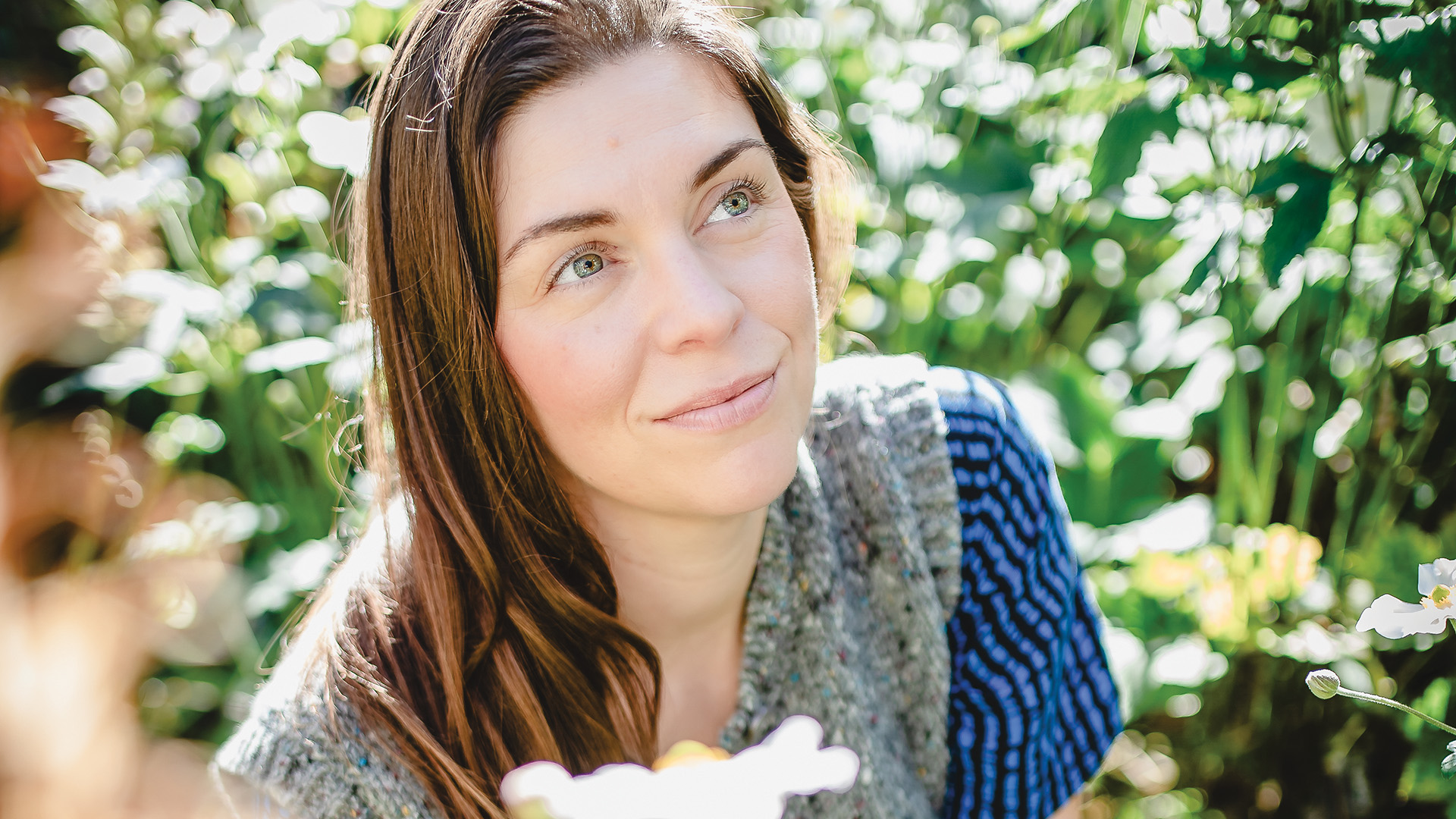
“Working in sustainability teaches you to be happy with small, incremental wins, but shifts like this show that impact can actually scale faster than you’d expect and really get the needle moving,” says Monica Keaney ’10, a sustainability manager at Carlsberg’s Copenhagen headquarters.
Helping communities and corporations rethink how we live and do business has been the common theme in Keaney’s path since graduating from Macalester with majors in geography and history. “Change from the inside has been the cornerstone of my career—trying to be the squeaky wheel shifting things in a new direction,” says Keaney. “The companies I’ve chosen to work for have put some very meaningful and serious action behind the commitments they’ve made. They are industry leaders, but that said, even they still have a long way to go.”
After moving to Denmark to earn a master’s degree at the University of Copenhagen, Keaney got her start with a design and planning firm that promotes better bicycle infrastructure and later worked for a global sustainability think tank. As a doctoral student at Sweden’s Lund University, she explored the connections between green jobs and justice. Next, she joined IKEA Denmark as the company’s sustainability manager, working on such projects as a buy-back resale program designed to curb consumption while keeping discarded furniture from entering the waste stream.
Now a manager with the environment, sustainability, and governance team at Carlsberg, she closely tracks the carbon footprint of every stop on the company’s supply chain. One of the world’s largest beer and soft drink makers, with seventy-five production sites in thirty-three countries, Carlsberg has committed to achieving zero water and packaging waste, as well as net-zero emissions in its value chain by 2040. To comply with the European Union’s strict new Corporate Sustainability Reporting Directive, Keaney’s team just produced the company’s first comprehensive annual report, a 200-page document that provides a side-by-side accounting of both financial results and sustainability efforts such as beer can recycling and water conservation. Collecting fine-grained data and finding the right way to present it felt at times “more like a game of Tetris than an instrument for driving climate action,” she says. “But the ‘why’ behind it all is that new demands for consistency, comparability, and transparency are going to help drive action faster and more efficiently.
“This is not the sort of job I ever thought I would have when I was a student,” Keaney continues. “But a liberal arts experience like we had at Macalester gives you the analytical skills, critical thinking, and questioning of the status quo to take you in lots of directions.”
One of her adventures at Macalester was spending her junior year in Cape Town, South Africa, where she studied the connections between geography, history, and apartheid after being inspired by history professor Peter Rachleff’s class comparing freedom movements in the United States and South Africa. While she was there, she met her now-husband, Jonas, eventually moving to his native Denmark, where they live with their two young children, Hector and Adrian.
Living abroad as an American means being asked many questions about politics (“Everyone wants to talk Trump”), and watching with deep concern as the current administration unravels environmental regulations and protections. “I think it will continue to be a really scary world for sustainability professionals in the US until they’re able to speak the truth—recognizing climate change is real and man-made and that we have a part in stopping it,” she says.
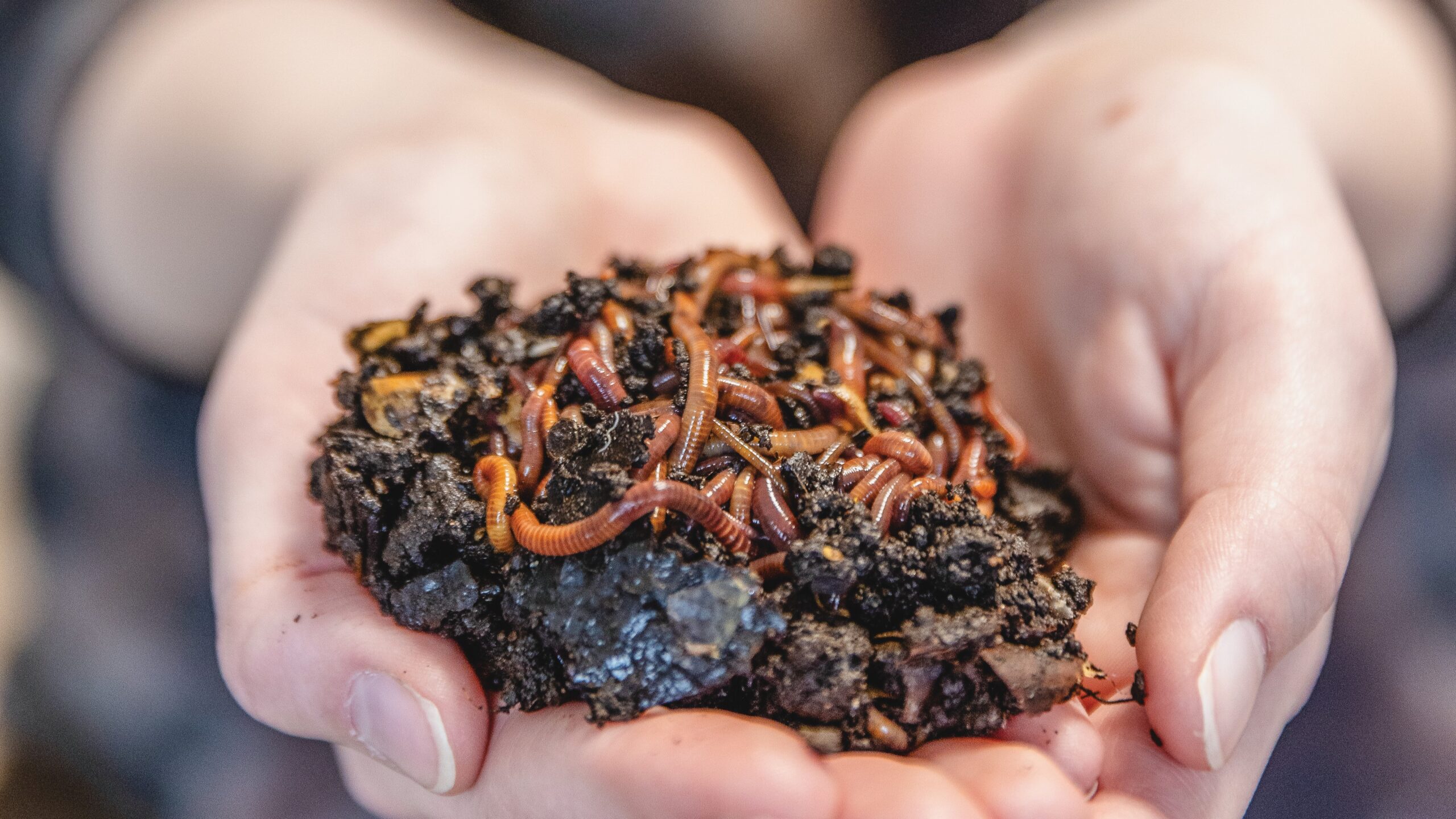
Yet the pushback against environmental protection is happening in the European Union as well, a trend she says is forcing sustainability leaders like her to build an even stronger business case for the value of circular economy, renewable energy, and other Earth-friendly shifts. In the case of regenerative barley, the crops, which improve soil health and make farms more resilient to extreme weather events, act as a way to future-proof Carlsberg’s business.
“We can’t expect companies to fall in line just because we say that doing things a new way is better for the world. It’s our job to show it’s better from a business standpoint, too.”
St. Paul writer Laura Billings Coleman is a frequent contributor to Macalester Today.