



EnviroThursday Spring 2026
Presentations take place at 12 noon, Olin-Rice Room 350
January 29, 2026
No EnviroThursday – Start of Semester
February 5, 2026
Panel Discussion: Multidisciplinary perspectives on Kalaallit Nunaat/Greenland
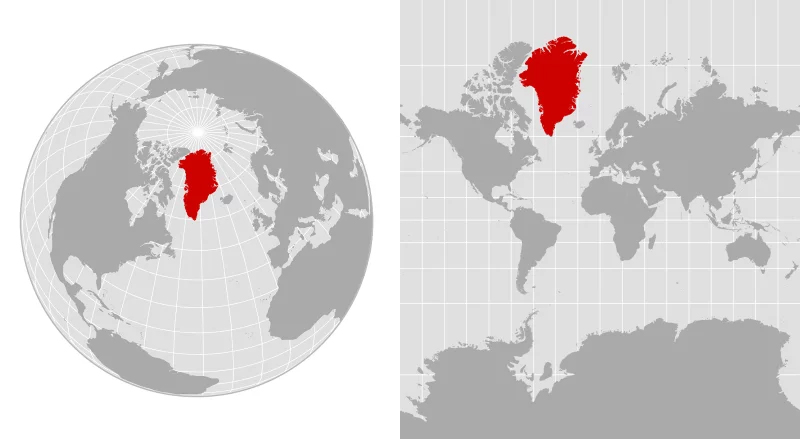
Panelists: Louisa Bradtmiller, Mary Heskel, Marianne Milligan, Mindy Jewell Price and Tom Robertson
Greenland has been in the news lately for both its geopolitical importance, as well as its importance to the climate system under climate change. Greenland also has a unique governance structure, and a thriving Indigenous population and culture that has taken an increasing role in self-governance. This panel discussion will feature brief prepared remarks by the four panelists, and then we will welcome discussion and questions from panelists and the audience. Please join us as we test out a new format option for EnviroThursday!
February 12, 2026
No EnviroThursday – ES Majors and Minors Lunch
February 19, 2026
“Man-Made Jungles: How Indigenous People Made Nepal’s Famous Grassland National Parks“
Speaker: Prof. Tom Robertson, Environmental Studies, Macalester College
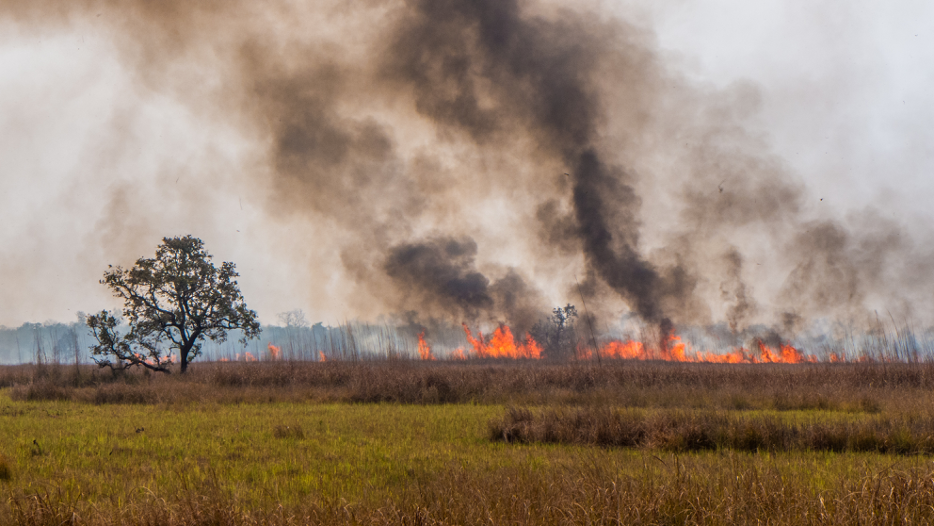
Few places offer a better view onto the contradictions of the post-WWII wave of “fortress conservation” than Nepal’s Chitwan National Park. Often called Asia’s Serengeti, Chitwan is home to endangered one-horned rhinos and Bengal tigers, both of which thrive in the park’s tall grasslands (which resemble some Midwest grasslands in some ways). Chitwan is also home to the Indigenous Tharu, who helped maintain the health of the grasslands for generations through yearly burning. In 1973, when international and Nepali conservationists joined forces with the Nepali monarchy to create the park, mostly to protect the grasslands and the charismatic animals who depended upon them, the Nepali army put an end to grazing and burning. The result: a lose-lose situation. Tharu livelihoods suffered, as did the grasslands. 50 years later, only half still exist.
February 26, 2026
TBA
Speaker: TBA
March 5, 2026
Learn About the New Geothermal System on Campus
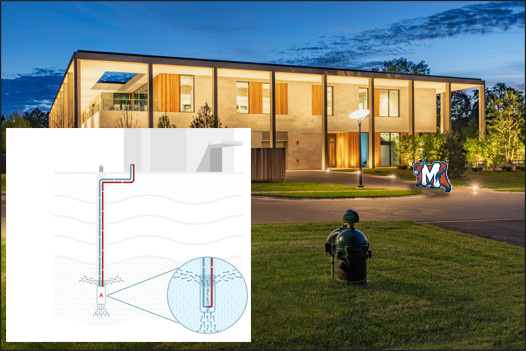
Speakers: Bryant Johnson, Midwest Mechanical Solutions and Robert Ed, Darcy Solutions
Geothermal is coming to Macalester College, and we’re excited to share what makes this project unique. Unlike traditional ground-loop systems, the Darcy Solutions system—developed right here in Minnesota—places a sealed heat exchanger directly within the aquifer. This approach allows the campus to leverage the stable temperature of groundwater without extracting or consuming it, improving efficiency while minimizing environmental impact. During our presentation, we’ll explain how the system works, why it’s different from conventional geothermal, and what it means for long-term campus sustainability and energy performance.
March 6, 2026 – Special EnviroFriday
Indigenous Issues in Nepal: The Politics of the Environment in the Central Himalaya
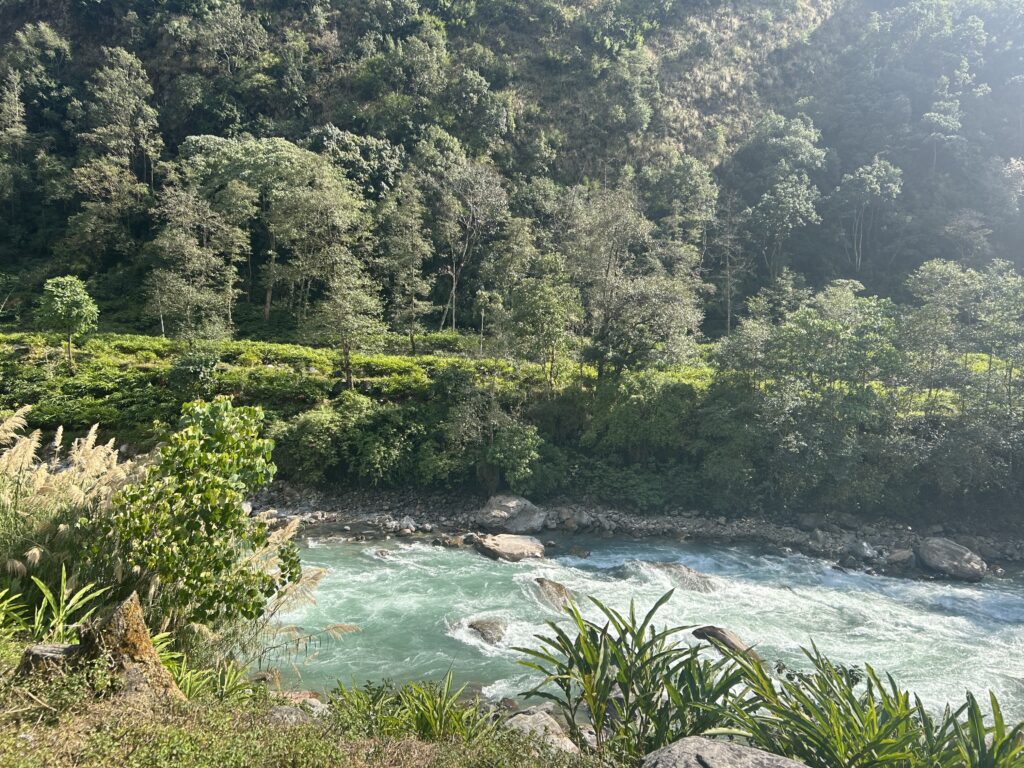
Speaker: Dr. Dhirendra Nalbo
The size of Tennessee, Nepal has over 100 languages and 30 million people, many of whom belong to historically marginalized Indigenous groups.
In this talk, Dr. Nalbo will examine the complex intersections of state-led development, environmental governance, and Indigenous rights. He will examine “fortress” conservation in Nepal’s densely populated lowlands, including in Koshi Tappu Wildlife Reserve in southeastern Nepal. He will also discuss the Indigenous Limbu (Yakthung) nation’s resistance to a commercial cable car project on Mukkumlung, a sacred mountain in northeastern Nepal. Dr. Nalbo advocates for a paradigm shift that centers Indigenous methodologies and restorative justice.
Dr. Dhirendra Nalbo is the Co-Founder of the Open Institute for Social Science, an independent academic cooperative based in Kathmandu, Nepal. His research focuses on peace and conflict studies, Indigenous people and the environment, natural resource governance, and climate change.
March 12, 2026 – ***4:45-6:15pm Smail Gallery in Olin-Rice Science Center***
Working Productively Across Differences in Values: Exploring the Siting of Data Centers
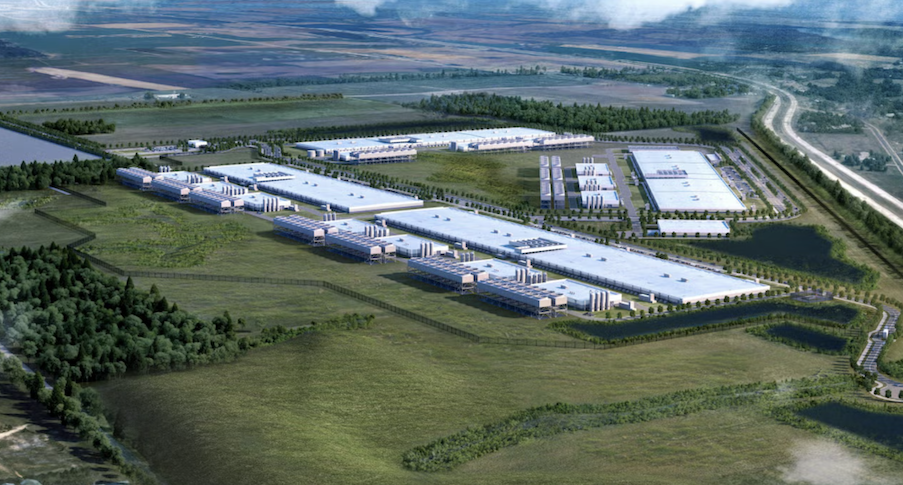
Panelists: Prof. Takeo Kuwabara, Julian Hartland, Dylan Jeppe, Lukas Locks-Scamp (’25), Tessa Myatt, Zaki Numani (’24), and Seneca Wilson
Everyday we navigate conflict: from determining who will finally wash those dirty dishes in the sink to exploring how to work with a difficult co-worker on a shared project.
But if you follow the news today, it can seem like the differences dividing us are increasing and our ability to come to shared understandings is decreasing. In this context, it might feel difficult to engage with disagreements.
Join us to learn about the science behind a consensus building approach to conflict and practice the skills of leveraging differences to enhance outcomes. We will utilize a participatory experience examining how municipal governments are negotiating the siting of data centers.
The event is supported by a Project Pericles grant, Macalester Environmental Studies, and the Dialogue Across Differences initiative. The case builds upon ongoing research on the environmental and social impacts of data centers being conducted at the University of Minnesota.
March 19 2026
No EnviroThursday – Spring Break
March 24, 2026 – EnviroTuesday
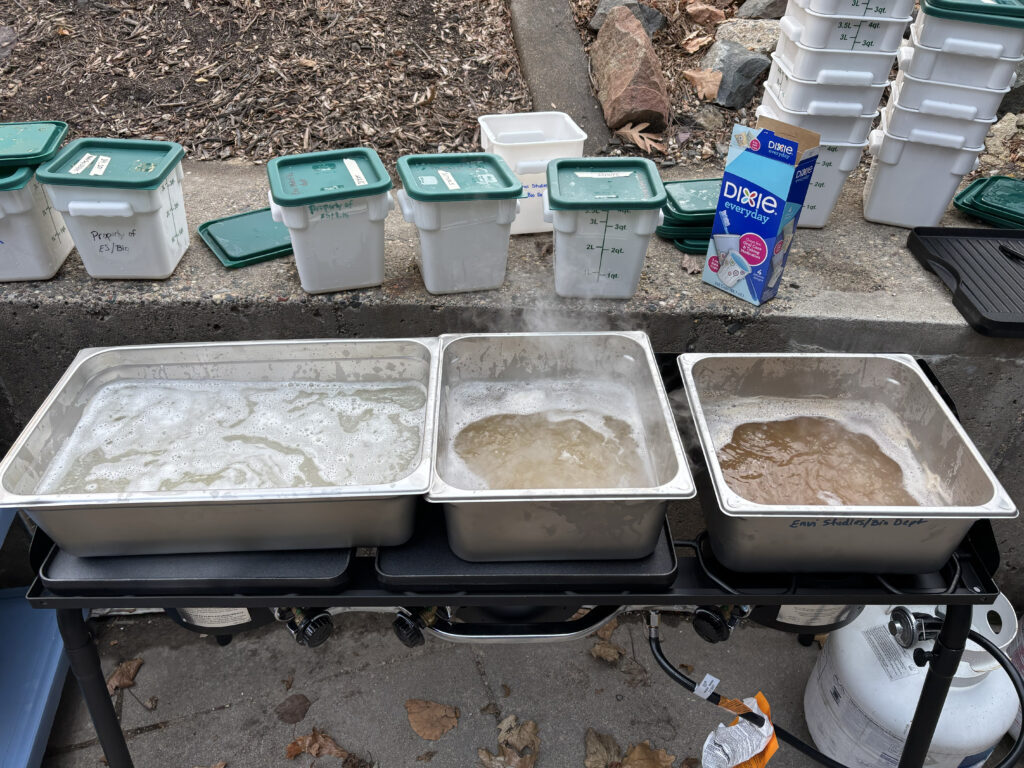
Syrup Making – Storytelling – Science
Speakers: Zaryn Prussia ’23, Fern Naomi Renville, Roger Fernandes, Dr. Mary Heskel, Dr. Susan Green
We’ve been collecting maple sap from trees on campus. Join us as we boil the sap down into syrup. Making syrup takes hours, so we’ll be out in the Webers Rock Garden all day. We’ll have a few guests join us for some storytelling.
April 2, 2026 – *in OLRI 250*
“An Integrated Above and Belowground Perspective of Carbon and Nutrient Cycling in Terrestrial Ecosystems: Insights to Advance Ecosystem Science and Land Management Practices”
Speaker: Dr. Adrienne Keller
Much of what we know and how we think about terrestrial ecosystems comes from aboveground observations and measurements. That’s not to ignore the wealth of interest and scientific work focused on belowground properties and processes. However, above- and belowground processes are often considered in isolation. Consider how an integrated above- and belowground perspective of carbon and nutrient cycling can provide new insights to understanding plant-soil-microbial feedbacks. Consider the value of taking such an integrated perspective when managing natural and working lands, particularly in the face of climate change. I will highlight some of my recent work helping land managers think about how to manage their lands for both climate mitigation and climate adaptation goals. This event is hosted by Environmental Studies & Biology.
Dr. Adrienne Keller is a Visiting Assistant Professor in the Environmental Studies Department.
April 9, 2026 – *in OLRI 250*
“Restoring Ecosystems from the Ground Up: The Importance of Soil Health and Biodiversity for Building Resilience on Tribal Lands”
Speaker: Dr. Danielle Ignace Co-Sponsored with Biology, Macalester Native and Indigenous (MNI) Initiative
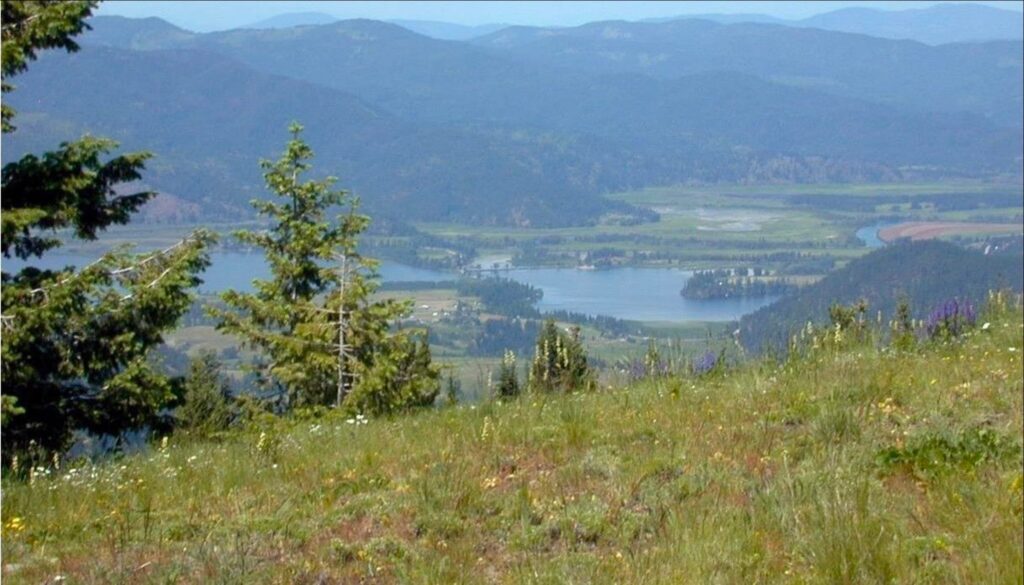
Projected changes in climate and disturbances will impact nearly every aspect of Indigenous community health, wellbeing, and lifeways. These outcomes increase the importance of understanding (1) how ecosystems may function as carbon sinks or sources in coming decades, and (2) how Indigenous communities are affected by these ecological impacts. The Coeur d’Alene Tribe has long had a goal of restoring the prairie area around the Hangman watershed (northern Idaho), and more recently, seeks to regenerate healthy forests. I present how the Coeur d’Alene Tribe is meeting this challenge by implementing nature-based climate solutions on the reservation. The Tribe’s goal focuses on how to manage its lands to ensure that key culturally and ecologically significant species are protected, while also restoring Tribal first foods. This event is hosted by Environmental Studies & Biology.
Dr. Danielle Ignace is an Indigenous (Coeur d’Alene Tribe) Associate Professor in the Department of Forest Resources at the University of Minnesota and a Research Associate at Harvard Forest studying the impacts of climate change, fire, and introduced species on ecosystem health and Indigenous communities. She serves as the Chair of the Traditional Ecological Knowledge Section of the Ecological Society of America and is the chapter lead for the Drivers of Change of Nature chapter of the first-ever assessment of nature in the U.S (The Nature Record). Dr. Ignace is passionate about mentoring the next generation of scientists in transdisciplinary work while centering the values of communities most impacted by global change.
April 16, 2026
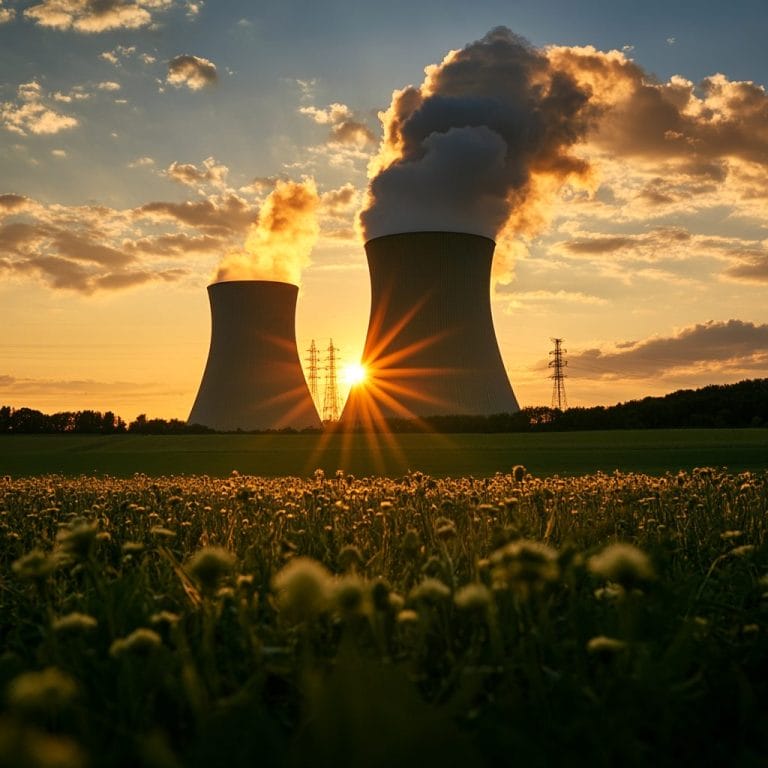
“The Nuclear Past and the Nuclear Future”
Speaker: Prof Jim Feldman, UW Madison
Nuclear energy plays a central role in American society—but in ways that we often cannot see. After World War II, the U.S. built a powerful consumer society predicated on using nuclear energy to both fight communism and power the economy. In doing so, Americans embraced a set of assumptions about progress, citizenship, and the human relationships to nature that remain central to American life, even as our direct engagement with nuclear energy seems to have disappeared. We are still living in Nuclear America, and the nuclear past poses questions still relevant for the nuclear future.
April 21, 2026 *Special Enviro Tuesday Event – 11:30AM-1PM – OLRI 250*
Environmental Studies Honors Presentations
“***”
by Georgia Akins
“***”
by Inbal Armony
“***”
by Lorenna Graham
“***”
by Lucia Zuvela
April 23 2026
No EnviroThursday – College-wide Faculty & Staff Event
April 30, 2026
Speaker: Prof. Amanda Hund, Carleton College