



Plenary Speakers
Kao Kalia Yang
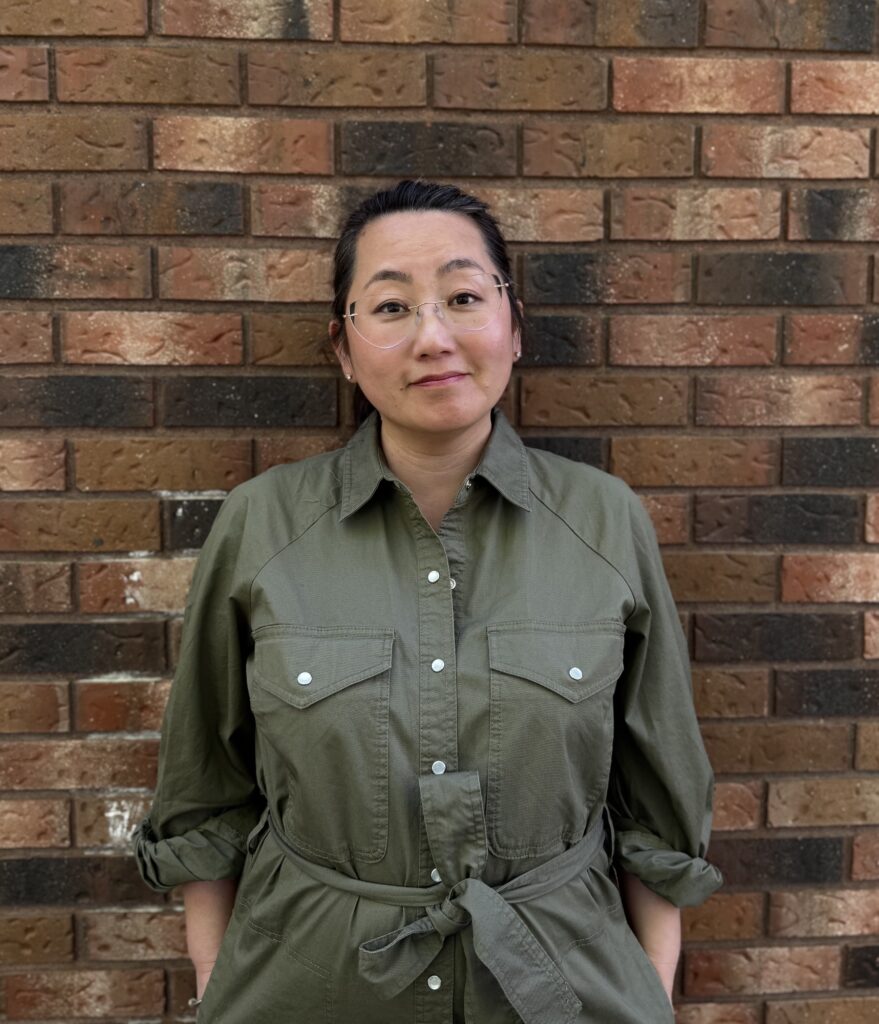
Talk Title: Stories in a Time of Disbelieving.
Abstract:
As a Hmong refugee child, award-winning author Kao Kalia Yang was born stateless. Years later, as an American author, Yang employs the power of stories in creating homes on and off the page for those in search of refuge. What does it mean to live in a story, to grow within one, to be charged with the happy ending our ancestors and forebears have been waiting for? Join Kao Kalia Yang in a presentation about the world that brought her into being and the one that is looking to dismantle the institutions and initiatives that have made possible her belonging.
Bio:
Morgan Adamson
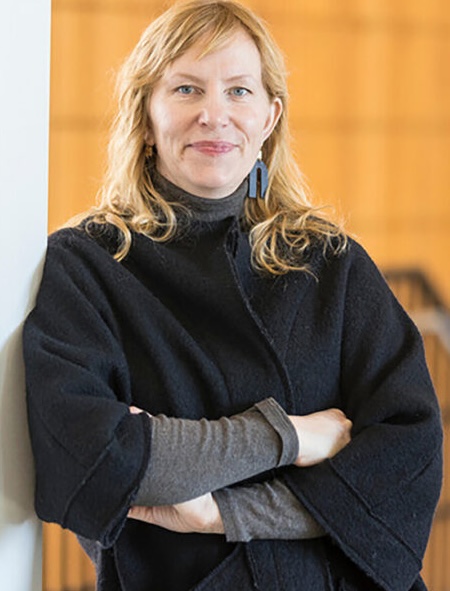
Talk Title: Bonded Inheritance: Retelling the Story of Forever Chemical Contamination in the East Metro
Abstract:
In the 1940s, scientists in St. Paul found a way to mass-produce the strongest chemical bond on earth, one that lasts “forever.” Less than fifty years later, this compound would be in the blood of every human on the planet. Today, the East Metro of St. Paul is home to the largest and oldest plumes of forever chemicals in the world, with devastating effects for the residents and environment. How do we tell the story of an environmental catastrophe of this scale? This talk grapples with this question through a discussion of a documentary feature film in production, Forever and Forever and Forever. Moving beyond familiar stories of corporate villains and their victims, this talk explores how documentary storytelling can open up space for reflection about the embodied experience of forever chemical contamination across space and time. By framing the forever chemical crisis through legacies of settler colonialism, the film experiments with the cinematic representation of the chemical and cultural bonds that made forever chemicals, while at the same time opening space for hope and healing.
Bio:
Morgan Adamson works at the intersections of non-fiction film and cultural studies. Grounded in archival research and collaboration, her practice animates hidden histories and infrastructures as a form of social engagement situated in place.
Her recent award-winning documentary, Brutal Utopias (2023), is an essay on the struggle to define social utopia through architecture. She is the author of a book on political cinema, Enduring Images: A Future History of New Left Cinema (University of Minnesota Press, 2018), in addition to numerous scholarly and popular essays.
Bayo Akomolafe
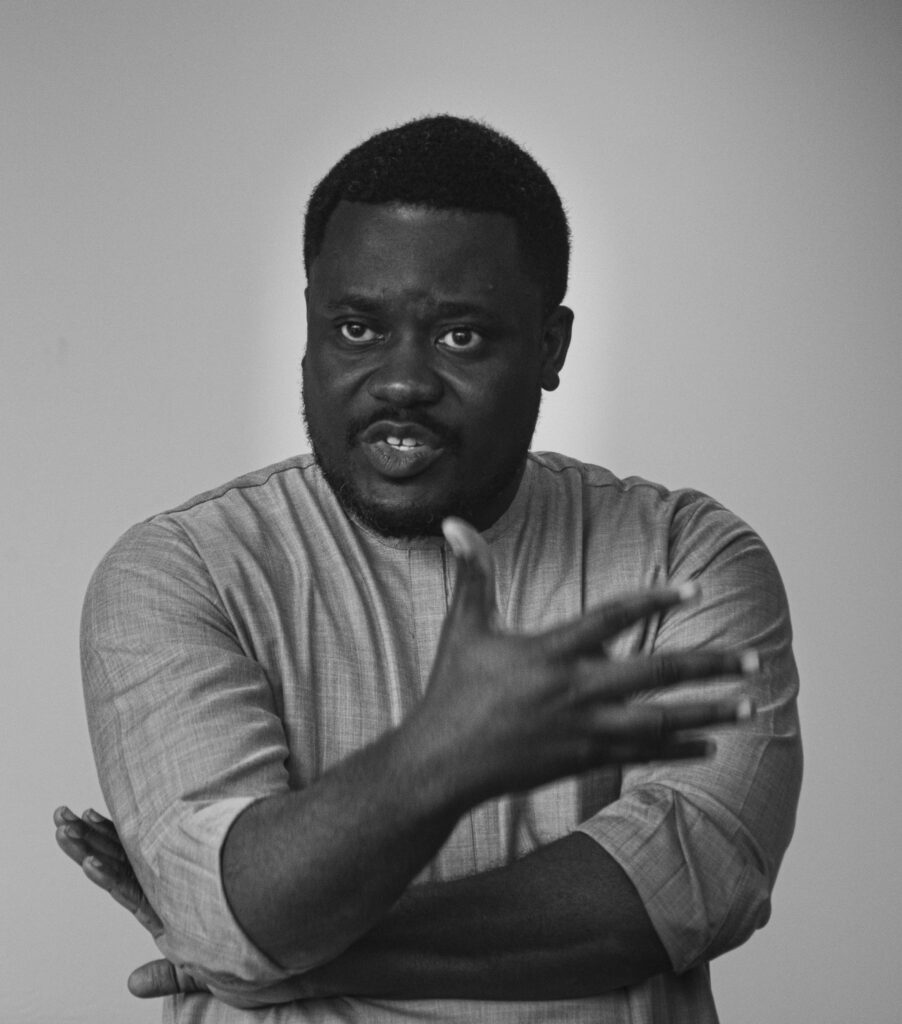
Roundtable Panelist
Bayo Akomolafe (Ph.D.), A widely celebrated international speaker, posthumanist thinker, poet, teacher, public intellectual, essayist, and author of two books, These Wilds Beyond our Fences: Letters to My Daughter on Humanity’s Search for Home (North Atlantic Books) and We Will Tell our Own Story: The Lions of Africa Speak, He is the Founder of The Emergence Network and host of the online postactivist course, ‘We Will Dance with Mountains’. He currently lectures at Pacifica Graduate Institute, California and University of Vermont, Burlington, Vermont. He sits on the Board of many organizations including Science and Non-Duality (US) and Local Futures (Australia). In July 2022, Dr. Akomolafe was appointed the inaugural Global Senior Fellow of University of California’s (Berkeley) Othering and Belonging Institute, where he acts as the Forum’s “provocateur in residence”, guiding Forum members in rethinking and reimagining our collective work towards justice in ways that reject binary thinking and easy answers. He has also been appointed Senior Fellow for The New Institute in Hamburg, Germany.
Dipankar Mukherjee
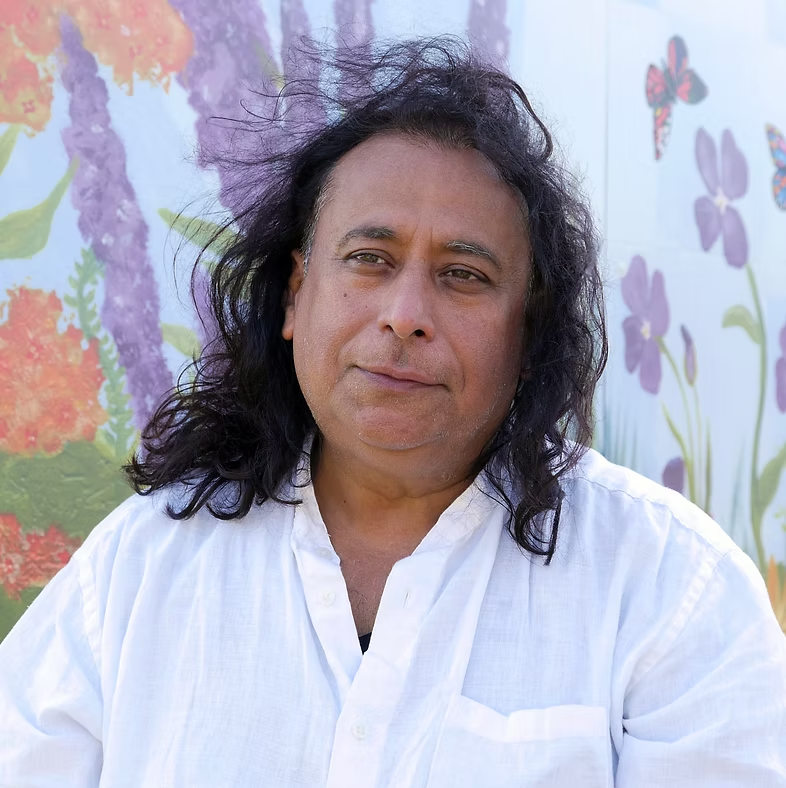
Closing host and speaker
Dipankar Mukherjee is a professional director originally from Calcutta, India with a 25-year history of directing. He is the Artistic Director of Pangea World Theater and received the 2023 McKnight Distinguished Artist Award.
He co-founded Pangea World Theater, an international theater in Minneapolis that is a progressive space for arts and dialogue. His aesthetics have evolved through his commitment to social justice, equity and deep spirituality and these factors along with relevant politics form the basis of his work. As a director, he has worked in India, England, Canada and the United States.
Dipankar has received the Humphrey Institute Fellowship to Salzburg and has been a Ford Foundation delegate to India and Lebanon. He is a recent recipient of the Bush Leadership Fellowship award to study non-violence and peace methodologies in India and South Africa. Dipankar was invited to visit the White House as part of the Asian American and Pacific Islanders Delegation. In his rehearsal and workshop practices, Dipankar’s facilitated processes that work to disrupt colonial, racist and patriarchal modalities that we have inherited and collaboratively searches for an alternate way of working.