





By Alexandra McLaughlin ’16
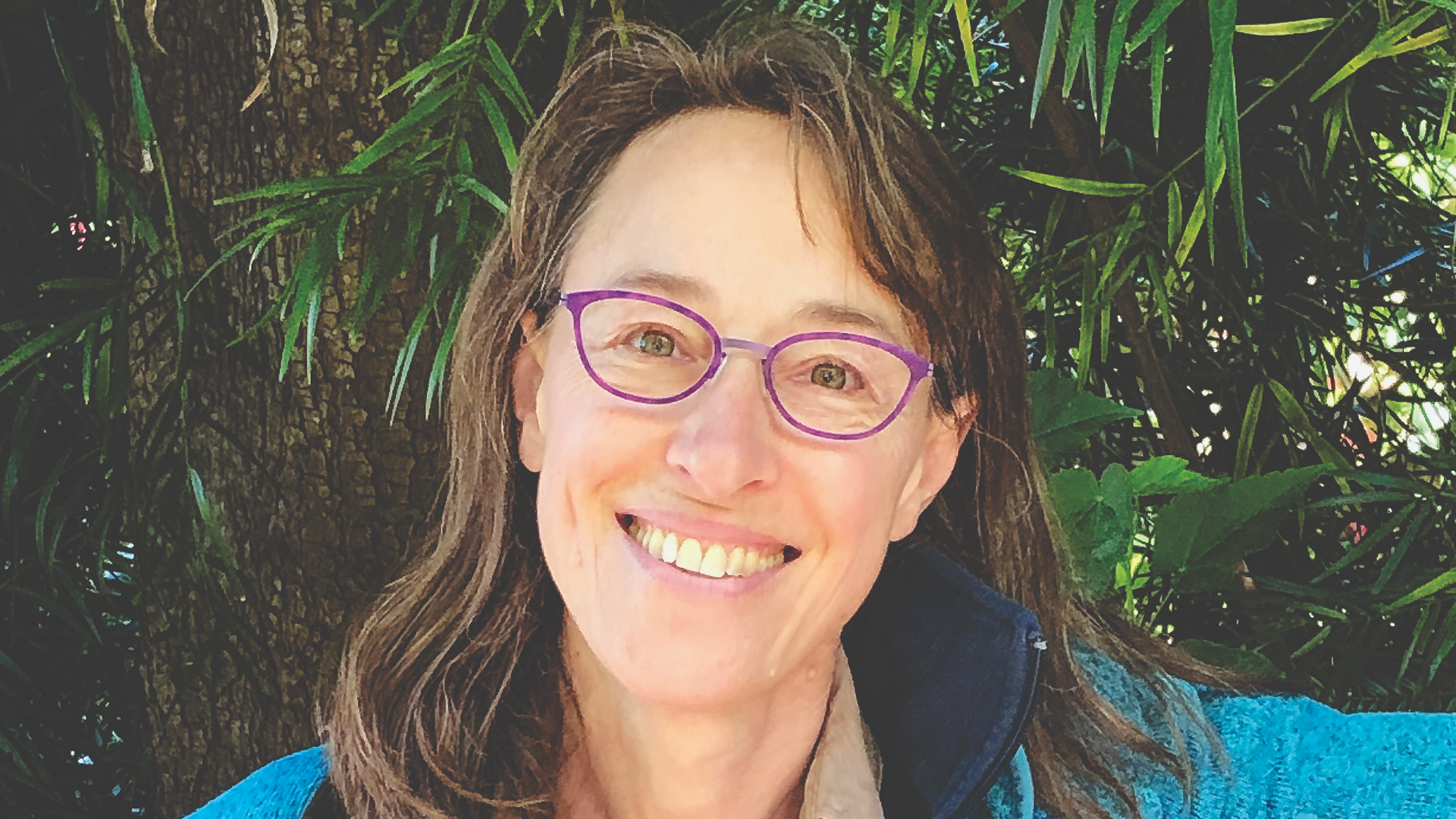
When Jennifer Wofford ’89 visited campus as a prospective student, she and Admissions Director Bill Shain sensed a great match—except the college didn’t yet have a women’s studies program. Shain suggested, “Come and start it.” She did. With support from professors Anna Meigs and Karen Warren, Wofford joined the curriculum committee that fall, helping launch new concentrations in women’s/gender studies, and studies of American people of color. Her self-designed major combined peace studies, African American studies, and women’s studies. While leading several student organizations and editing a feminist literary journal, she also co-organized fifteen buses from Macalester to attend the March on Washington for women’s reproductive rights—and later hosted a campus reflection. That early passion for justice continued. After college, Wofford worked in community organizing—in Chicago, Massachusetts, and D.C.—on state legislation, economic justice, and innovative union campaigns. After a series of pregnancy losses and the toll of national travel, she shifted to social work, earned her clinical license, and opened a therapy practice while raising her son.
She trained in advanced methods like Internal Family Systems and Somatic Experiencing and also consulted nationally on organizational development.
Today she’s the founder of the Center for Grounded Action, leading resilience workshops for communities in crisis and conflict. Here, she reflects on her career path and lessons learned.
Resilience is about coming back
When something terrible happens—a job loss, a war—we tend to react in one of two ways: anxious, edgy, stressed, and panicked; or flat, lethargic, frozen, and can’t get off the couch. It’s the fight, flight, or freeze pattern of a normal nervous system response.
Resilience is in the middle—the ability to recover, regulate, and keep moving forward. Under pressure, we might snap at our kids, lie awake at 3 a.m., or shut down. With resilience skills, we can come back to the regulation in the middle and move forward from a place of centered, grounded action.
Step forward
When the October 7 Hamas attack happened, people immediately polarized. I saw a need for people to come together, whether or not we agree, and value all human life as sacred. I quickly organized five events for collective mourning and connection. The Boston Globe and NPR covered it. I offered the vision that everyone was welcome, and we could gather together, whether or not we agreed. We offered three stations: card-writing to Israelis, Palestinians, or both; interfaith prayer; and donations to vetted humanitarian organizations. People from all backgrounds came. The response was deeply moving.
I also faced hostility, which I interpreted as fear. As a Jewish woman, I was accused of supporting terrorists. Others demanded I add a statement about Palestine on the flyer. I kept offering reassurance that we could gather together across the divisions.
Afterward, I started offering the Grounded Resilience model to help people have a dialogue across divisions and connect with compassion, even when they see it differently.
Then, with the massive Trump cuts to federal programs, I saw USAID staff under attack. I couldn’t get food and medicine to Africa, Asia, and South America, but could support those here who’d lost their jobs. I offered free resilience workshops, contacted thousands of federal employees, and recruited 190 therapists and consultants as assistant trainers. Over two months, we held seven free workshops to tremendously positive feedback. Now, I’m pausing to raise funds to sustain the work. (Learn more.) When I see the world is in pain, I step forward and try to help.
Follow what excites you
Follow your energy. For a long time, mine was mission-driven social justice. Then it shifted. I needed a lifestyle that was centered and soulful, without travel, so I could be a mother and have a baby. That worked beautifully.
Eventually, I realized: I’m a therapist, but I’m also a smart organizer. How do I take these complex psychotherapeutic neuroscience models and make them actionable and easily teachable? That became our Grounded Resilience workshops.
Doing good work is tough right now. Funding is shrinking. I get it: following your passion is hard when you need a paycheck. I worked full-time and went to graduate school part-time. Sometimes, you pay bills while you build toward what you love.
Consider your role
In meditation, I asked the universe: What is mine to do? There’s too much, I can’t do it all. Just show me what’s mine. I saw a giant block of ice. Not sparkly or beautiful—just ice. I asked, Why? The answer was: Because the world is on fire. Be the ice. Whether you call it meditation, prayer, or connection to the soul or God, it’s about reaching that deep, wise place. I think all roads lead there.