



Words in the Wild: A Month at the New York State Summer Writers Institute
By Sarah Tachau ’27
A psychiatrist my dad’s age with a heavy New York accent, a millennial gymnastics instructor, an outspoken Harvard undergraduate, and a cookbook author sit by my side in a ring of desks. Few other circumstances — save for a family reunion — could attract this group. But we are far from related. Instead, we devote our attention to workshopping each other’s nonfiction essays.
Before attending the New York State (NYS) Summer Writers Institute this past summer, I only ever found myself in workshops with fellow undergraduates. The Skidmore College program’s nonfiction cohort uprooted this pattern. Yet, the vast diversity of life experience I encountered was not what initially drew me to the opportunity.
I discovered the NYS workshop through Mac alum Miriam Ruiz ’24’s The Words interview outlining the application process. This particular program stood out to me for its acceptance of undergraduates, option to earn academic credit, choice between a two- and four-week session, as well as, most importantly, its scholarship opportunities. Every summer, the institute meets on the Skidmore campus, offering two levels for poetry and fiction and one for nonfiction. Workshop sessions meet three times per week for three hours of extensive critique and, more frequently in poetry, generative exercises. Outside of the classroom are Q&A panels with the program’s visiting authors, when a random selection of three scholarship recipients interview one of the distinguished writers. The literary community does not stop there. Each night features readings from the writers-in-residence, and students frequently host impromptu, informal readings.
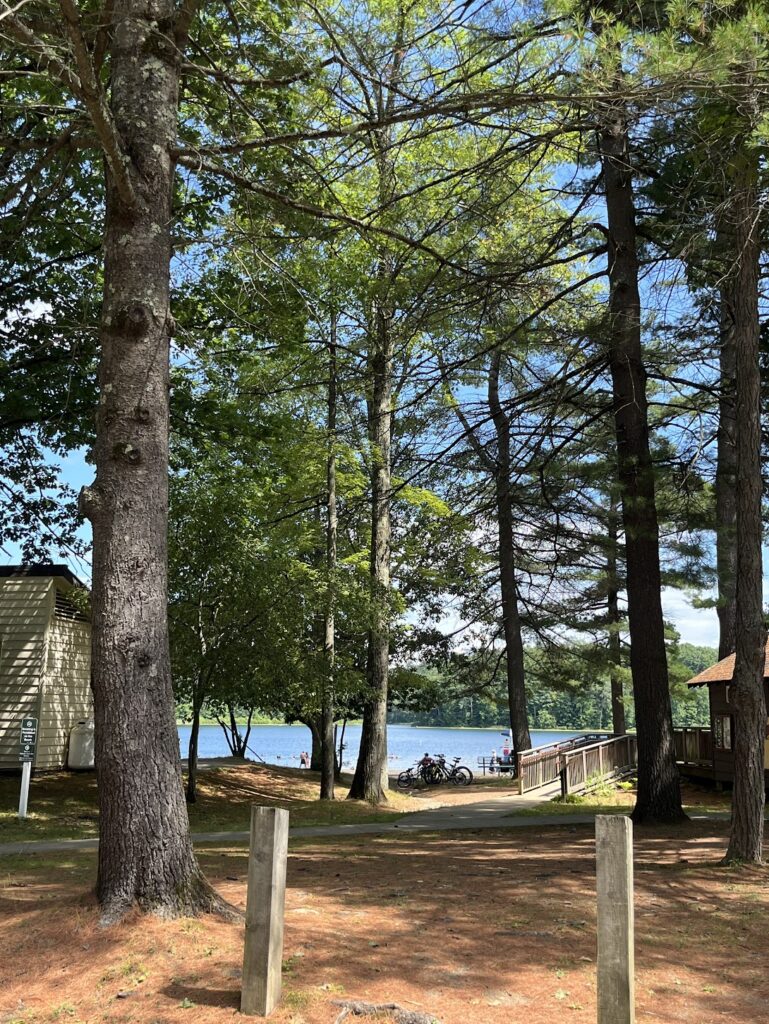
Taking advantage of the scholarship opportunity meant a slightly longer application process; I submitted a writing portfolio of 15-25 pages, slightly longer than the regular requirement, a brief letter of intent, and a reference solicited from my advisor, Music Professor Mark Mazullo. I recommend taking this route, as the tuition is quite hefty without it. In addition to the discounted cost, I was selected to be a panelist interviewing memoirist and poet Honor Moore– a wonderful way to exercise my public speaking skills alongside two fellow nonfiction workshop participants. Enrolling in the four week option, I attended the program for a nonfiction and an intermediate poetry session.
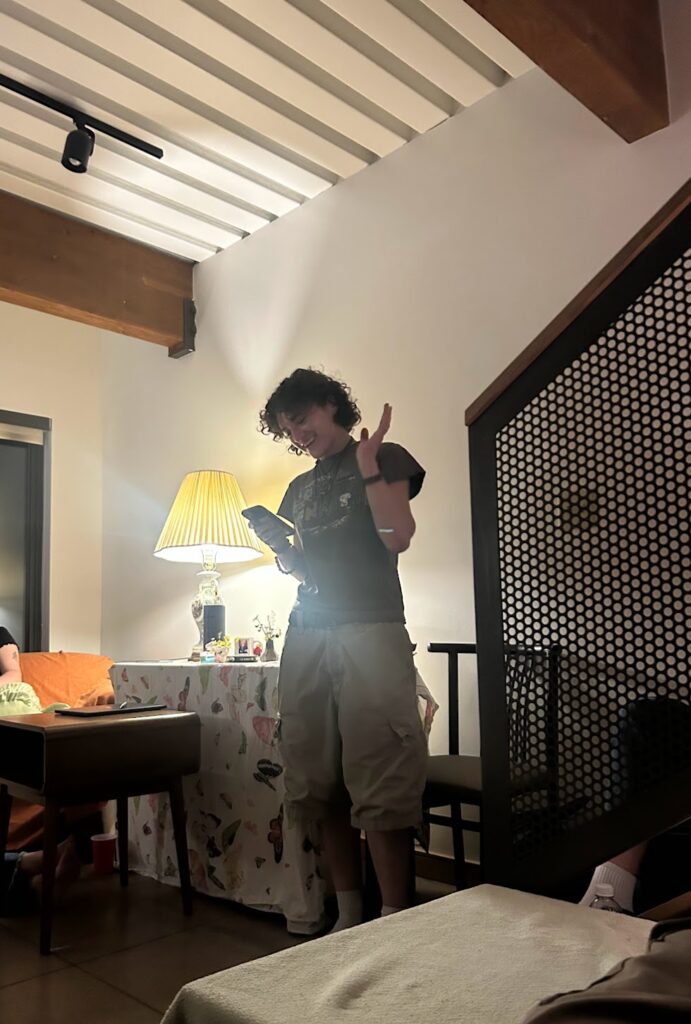
Despite a slightly unorganized start to the nonfiction session, instructed by Philip Lopate, the class collaborated in taking initiative for our ideal workshop structure. While the order of praise, suggestions, and questions adhered to what I have experienced at Mac, the vast difference of content and style–such as narrative, voice, dialogue, and poetics–made for an enriching reading and editing experience. Aside from critique, we spent a portion of each class asking Lopate technique questions and taking part in brief writing exercises. On a personal level, the age range of my workshop group exposed me to a wide array of literary backgrounds: several participants were more than happy to share their graduate school and summer program experiences.
I began to miss the purely generative workshop, so I switched into the intermediate poetry cohort for the second session, taught by Peg Boyers. This group was largely all undergraduates. At each workshop, we received a new prompt to generate poems for our next meeting. Both sessions included a one-on-one conference with the instructor, who reviewed our workshop pieces and offered thorough feedback.
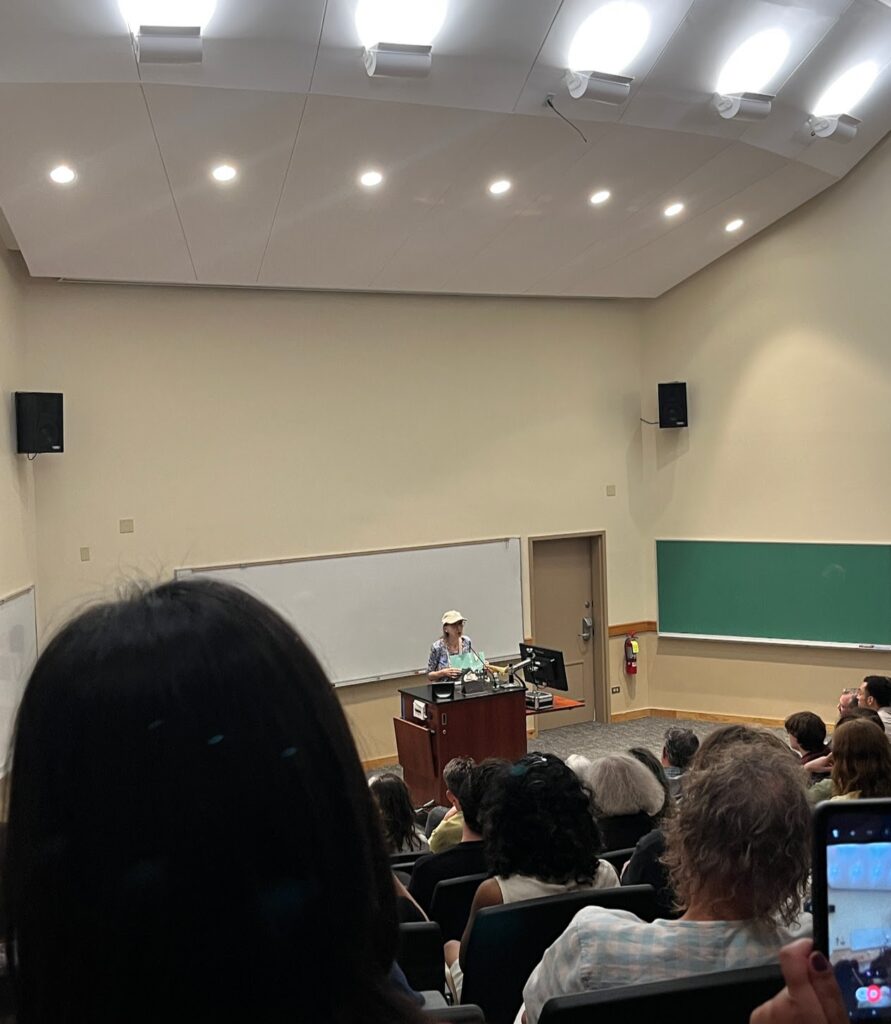
I found the Q&A sessions and nightly readings to be one of the most engaging aspects of the program. From a reading by Jamaica Kincaid and a jazz poetry night with Robert Pinsky to a panel with Joyce Carol Oates and a panel with Garth Greenwell, the programming showcased a rich spread of written skill across genres. Other featured authors included staff writers from the New York Times and The Atlantic.
While the scholarship deadline of March 15th is quickly approaching, the NYS Summer Institute runs every year, with rolling applications opening in early January and closing when the program is full. I highly recommend applying for this opportunity. Not only did it strengthen and expand my written skills, but it connected me with several talented peers who I still keep in touch with today.