



EnviroThursday Fall 2026
Presentations take place at 12 noon, Olin-Rice Room 250
September 10, 2026
No EnviroThursday – Campus-wide Convocation
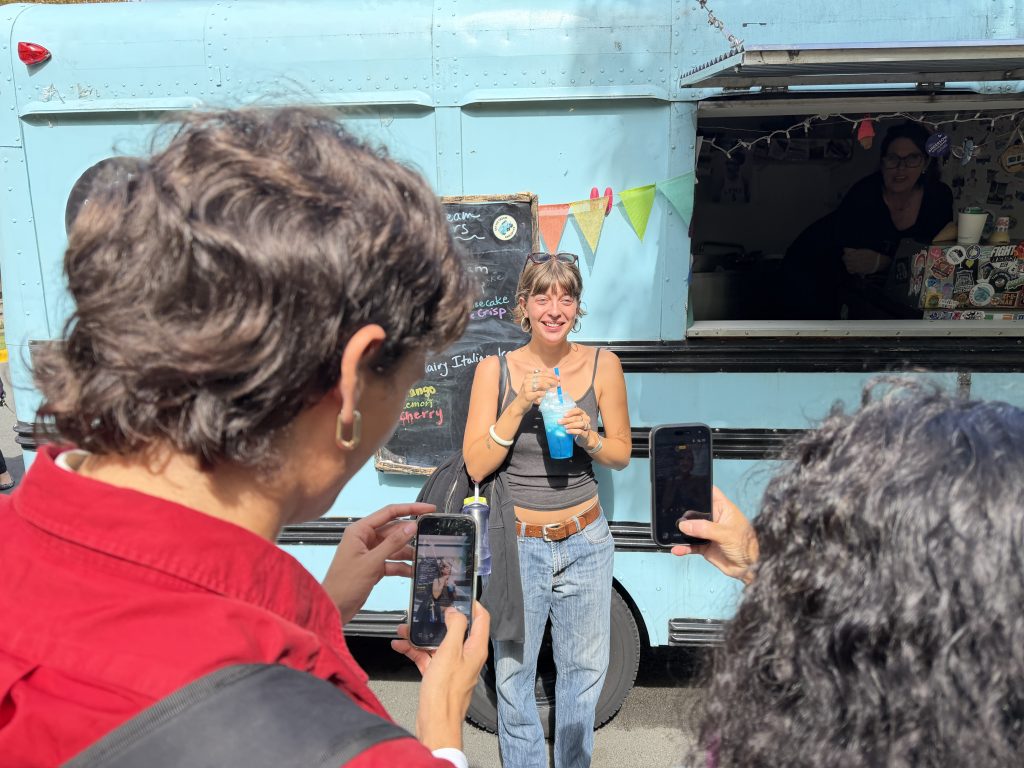
Speaker: Prof. Roopali Phadke
September 17, 2026
No EnviroThursday – Ice Cream Social for ES Majors and Minors
September 24, 2026
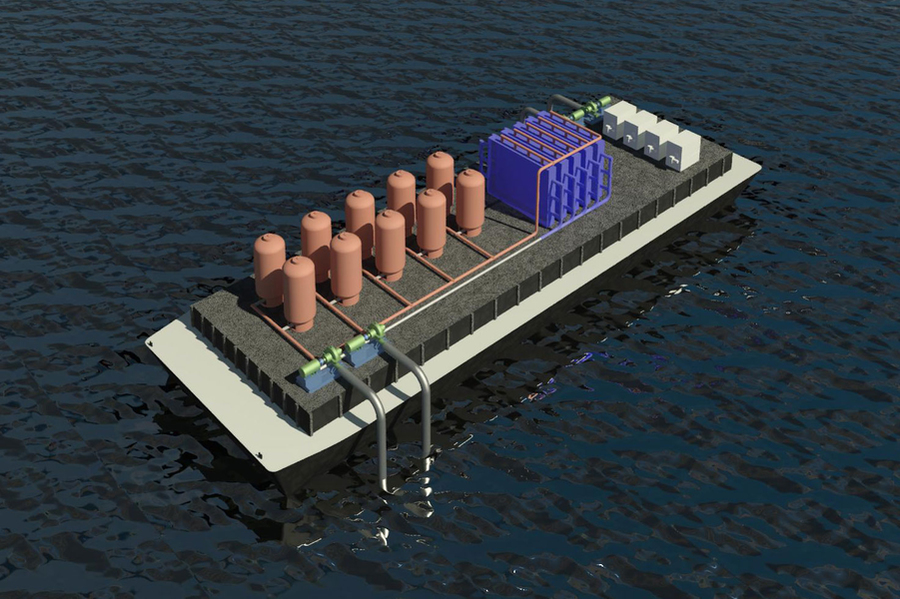
“The Potential Role of Marine Carbon Dioxide Removal in Combatting Climate Change”
Speaker: Professor Wil Burns
In the decade since the Paris Agreement entered into force, it has become increasingly apparent that achievingIn the decade since the Paris Agreement entered into force, it has become increasingly apparent that achieving its temperature objectives will require both aggressive emissions-reduction initiatives and large-scale deployment of carbon dioxide removal/negative-emissions technologies to avoid passing critical climatic thresholds and to address temperature “overshoot” scenarios. While much of the early research on carbon dioxide removal methods focused on terrestrial approaches, there has been increasing attention to the potential role of the world’s oceans, given both sustainability considerations and the fact that oceans already serve as a major carbon sink, with significant additional potential to store carbon. These “marine carbon dioxide removal” (mCDR) options include ocean iron fertilization, ocean alkalinity enhancement, ocean upwelling/downwelling, and ocean biomass sinking.
This presentation will focus on the potential risks and benefits posed by different ocean-based carbon dioxide removal options. It will also include a discussion of regulatory efforts to date by international treaty regimes, and other potentially pertinent regimes, including those with a marine regulatory focus, as well as the potential role of the UNFCCC/Paris Agreement.
Professor Wil Burns is the Co-Founding Director of the Institute for Responsible Carbon Removal at American University.
October 1, 2026 – Jardetzky Speaker – Co-sponsored with Biology – John B. Davis Lecture Hall (basement of Campus Center) 12-1 p.m.
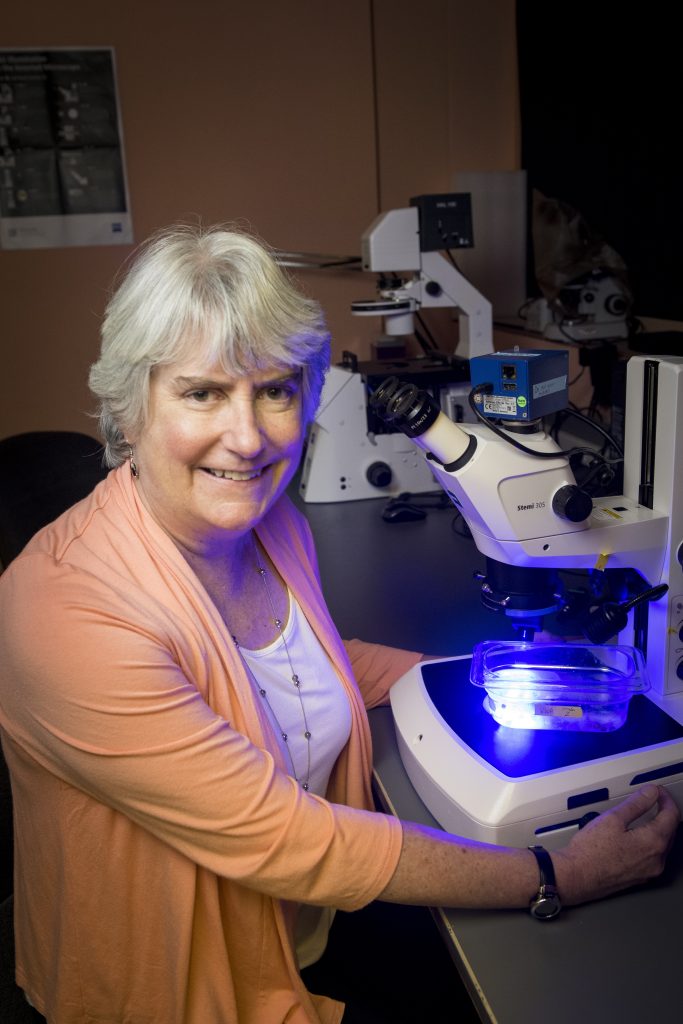
“Coral symbiosis cell biology in the age of climate crisis: Turning discovery into solutions for saving reefs”
Speaker: Dr. Virginia Weis
Dr. Weis is a University Distinguished Professor of Integrative Biology at Oregon State University. Her research group studies the symbiotic relationship between corals and their microbial algal partners. These symbioses are central to the health of coral reef ecosystems and when the partnerships break down due to environmental stress such as global warming, the entire reef ecosystem is threatened. Her group studies the molecular and cellular signaling between the coral host and their algal symbionts. This work helps inform the development of solutions for saving reefs. Weis is an elected fellow of the American Association for the Advancement of Science and in 2022, she was awarded the Eminence in Research Award by the International Coral Reef Society. Weis has authored over 100 publications and mentored dozens of PhD students and postdoctoral fellows along with hundreds of undergraduates. She serves on the Advisory Board of the Coral Restoration Consortium and runs a working group on coral cryopreservation, work that she will talk about during her lecture.
October 6, 2026 – Special EnviroTuesday, 4:30-6:30 PM – Harmon Room (Library)

“Rural Voices: Resilience in the Face of Environmental Displacement” – Co-sponsored by COPAL MN
Speaker: Profesor Simón Uribe, Universidad del Rosario (Bogotá, Colombia)
The topic of COPAL’s 2026 College Tour is “Rural Voices: Resilience in the Face of Environmental Displacement.” As part of this event, they have the special honor of welcoming Professor Simon Uribe from Colombia, a documentary filmmaker and researcher affiliated with the Faculty of Political Science at Universidad del Rosario (Bogotá). Professor Simon holds an M.A. in Human Geography and a Ph.D. in Regional Planning from the London School of Economics (LSE). His work has been supported by prestigious fellowships, including the Princeton Institute for Advanced Study, the Wenner-Gren Foundation (Ethnographic Film), the British Council, and Proimágenes Colombia. He is also the director of the feature-length documentary films Suspension (2019) and Grounded (2025), both screened at multiple international film festivals.
October 8, 2026
“Across communities, beyond the classroom: experiential learning with Indigenous Communities in Ecuador“
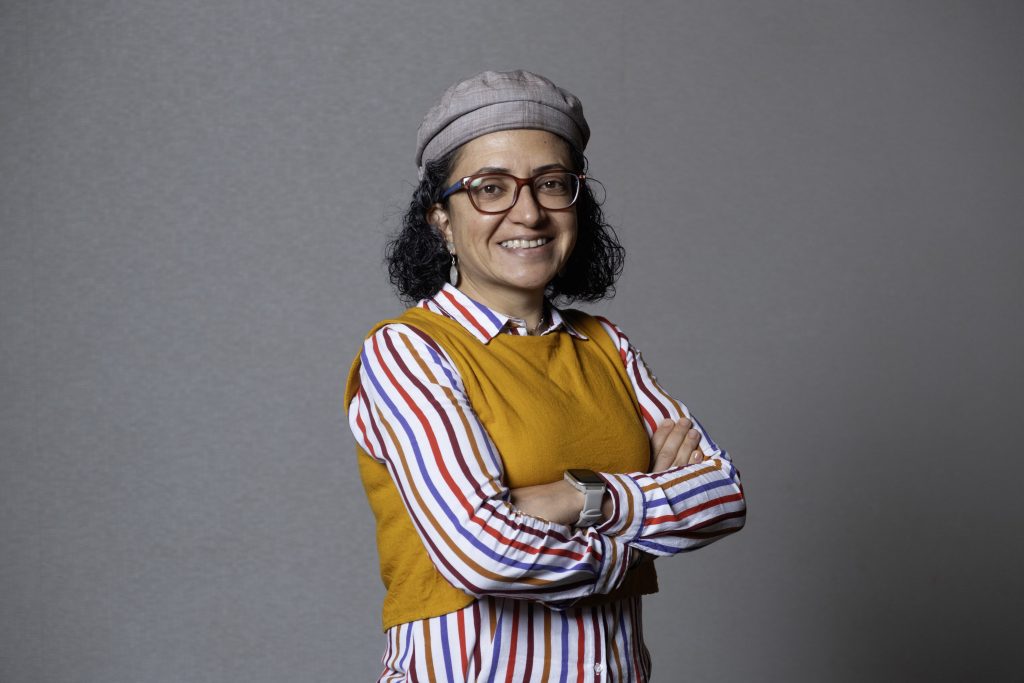
Speaker: Paula Iturralde-Pólit, Fundacíon Pachaysana
I joined Fundación Pachaysana almost three years ago with a strong background in science, but also curious about learning differently. As I began my own learning journey, I became a bridge for international students, guiding them to be open to understanding and witnessing different ways of living, knowing, and being. Through experiential programs, we bring students together to explore their relationship with nature through hands-on experiences and by learning with and from Indigenous communities in Ecuador. These experiences invite us to listen and observe more deeply, question familiar assumptions, and reconsider where and how learning happens. Drawing on stories from the community of Mushullakta in the Amazon and Pintag in the Andes, as well as my own journey as an educator, I will reflect on what becomes possible when communities, their knowledge, and their territories are at the center of the learning process.
October 15, 2026
No EnviroThursday – Fall Break
October 22, 2025
No EnviroThursday – ES Majors and Minors lunch
October 29, 2026
No EnviroThursday – Check out the International Round Table
November 5, 2026
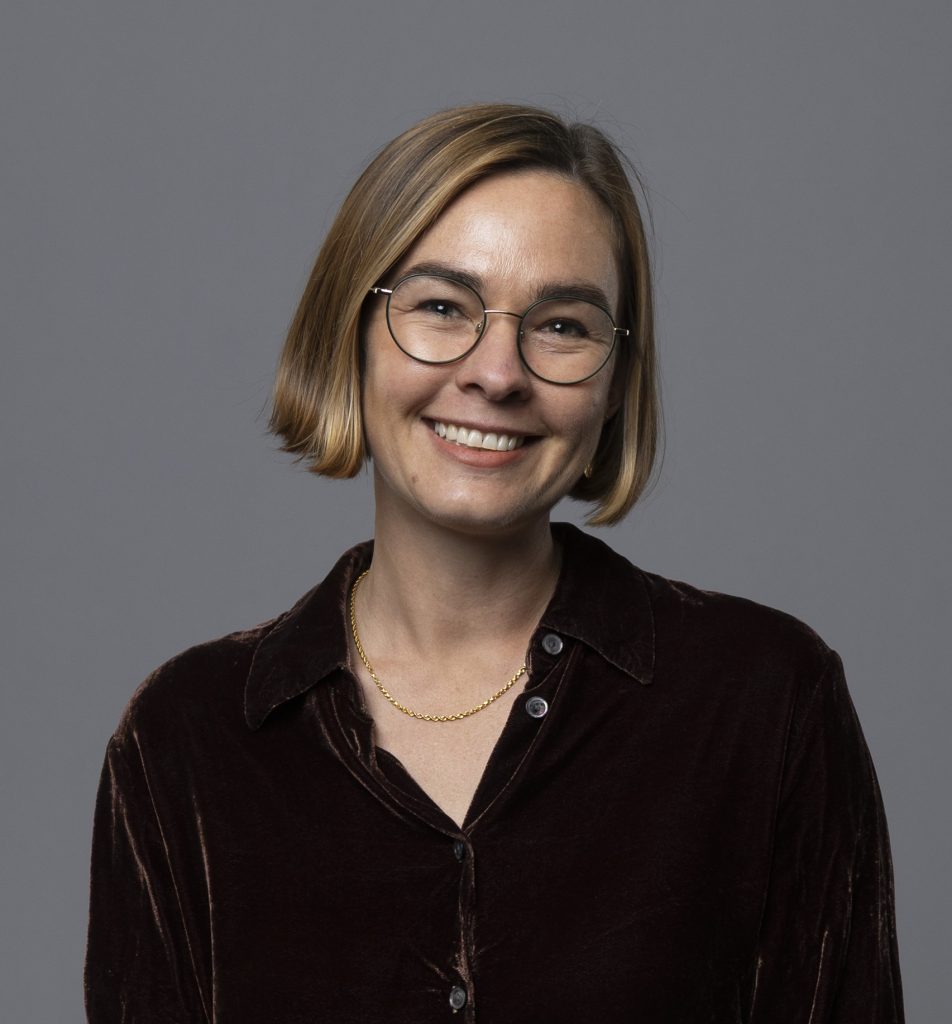
“Farmers and Climate Change: Navigating Agricultural Adaptation Amidst Political Polarization”
Speaker: Margiana Peterson-Rockney
Farmers are on the front lines of climate change, already experiencing intensifying droughts, wildfires, and heatwaves. But many farmers and other rural residents in wealthy countries remain unconvinced by climate change science. Drawing on seven years of ethnographic fieldwork with farmers in California, I will share how farmers are adapting to a changing climate regardless of what they believe about its causes. Yet climate change has become so polarized in the US that talking openly about climate change, let alone being seen by your neighbors as taking climate action, can risk ostracization from the communities you rely on. In this seminar, I will share stories of farmers and ranchers who are carefully navigating the physical, political, and social risks of climate change, challenging dominant assumptions about climate policy and pointing towards more effective strategies for increasing climate action in rural communities.
November 12, 2026
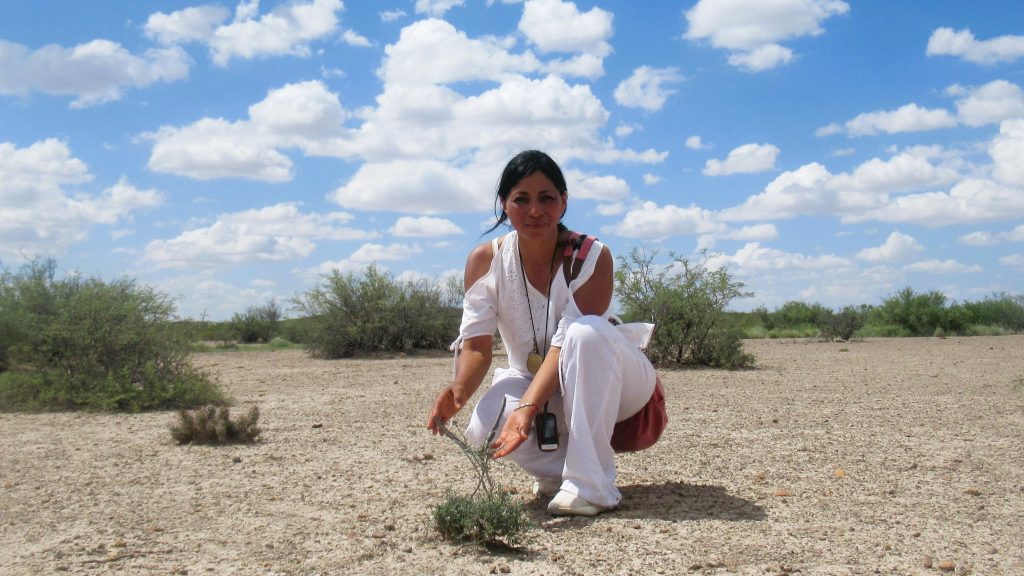
“Mixing Social and Biophysical Methods: Challenges and Strategies for Action in Protected Areas” – Co-sponsored with Geography
Speaker: Professor Xochizeltin Castañeda-Camacho, St. Olaf College
Understanding environmental change requires an awareness of the conflicts between ecosystems, biodiversity, and human well-being. This talk examines Protected Areas in the Chihuahuan Desert of northern Mexico that are outstanding hot spots of global biodiversity. Using a mixed methods approach, this work unravels the processes that trigger habitat loss in critical areas emphasizing the role of economic (under) development, environmental misunderstandings and management biases. The results offer a threshold to move forward in biodiversity conservation.
November 19, 2026
No EnviroThursday – Joint Environmental Studies and Biology study away session
November 26, 2026
No EnviroThursday – Thanksgiving
December 3, 2026
“Data Center Water Impacts: Policy Approaches for Large-Volume Industrial Water Users”
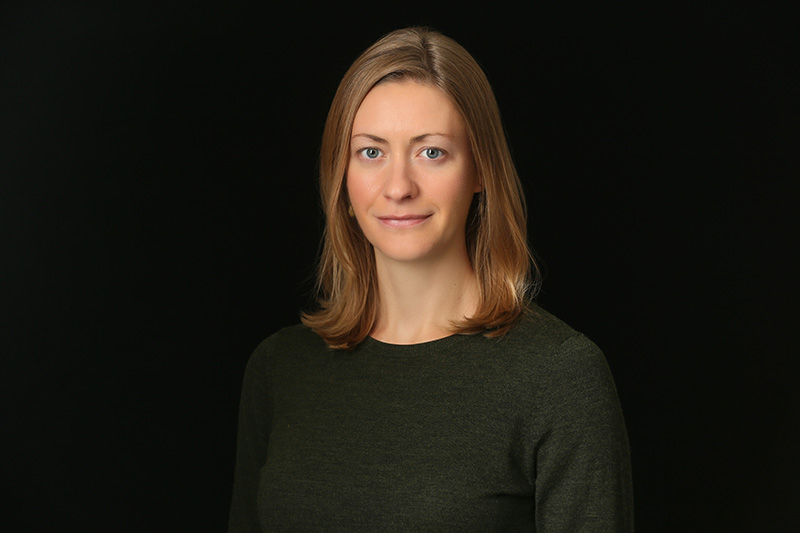
Speaker: Carly Griffith, Water Program Director at the Minnesota Center for Environmental Advocacy (MCEA)
Over the past couple of years, hyperscale data center proposals have popped up across the state of Minnesota. Like electrical grid capacity, water resource availability has emerged as a “risk factor” that can constrain site selection but often doesn’t emerge until after a site has been selected. Many communities have rallied against the construction of these “hyperscale” facilities because of their concerns about environmental impacts and the lack of up-front transparency on project details. In this talk, Carly Griffith will explore how the Minnesota Center for Environmental Advocacy (MCEA) has used litigation to advocate for transparent environmental review that allows for informed community decisions about data center growth, and has advanced legislative proposals to reform water policy for large-volume industrial water users across the state.
December 10, 2026
“COP31: Key Outcomes and the Path Forward”
Professor Roopali Phadke and students will report back from this year’s UN Climate Summit (COP31) in Antalya, Turkiye.