



‘Disability Sneak Attack’
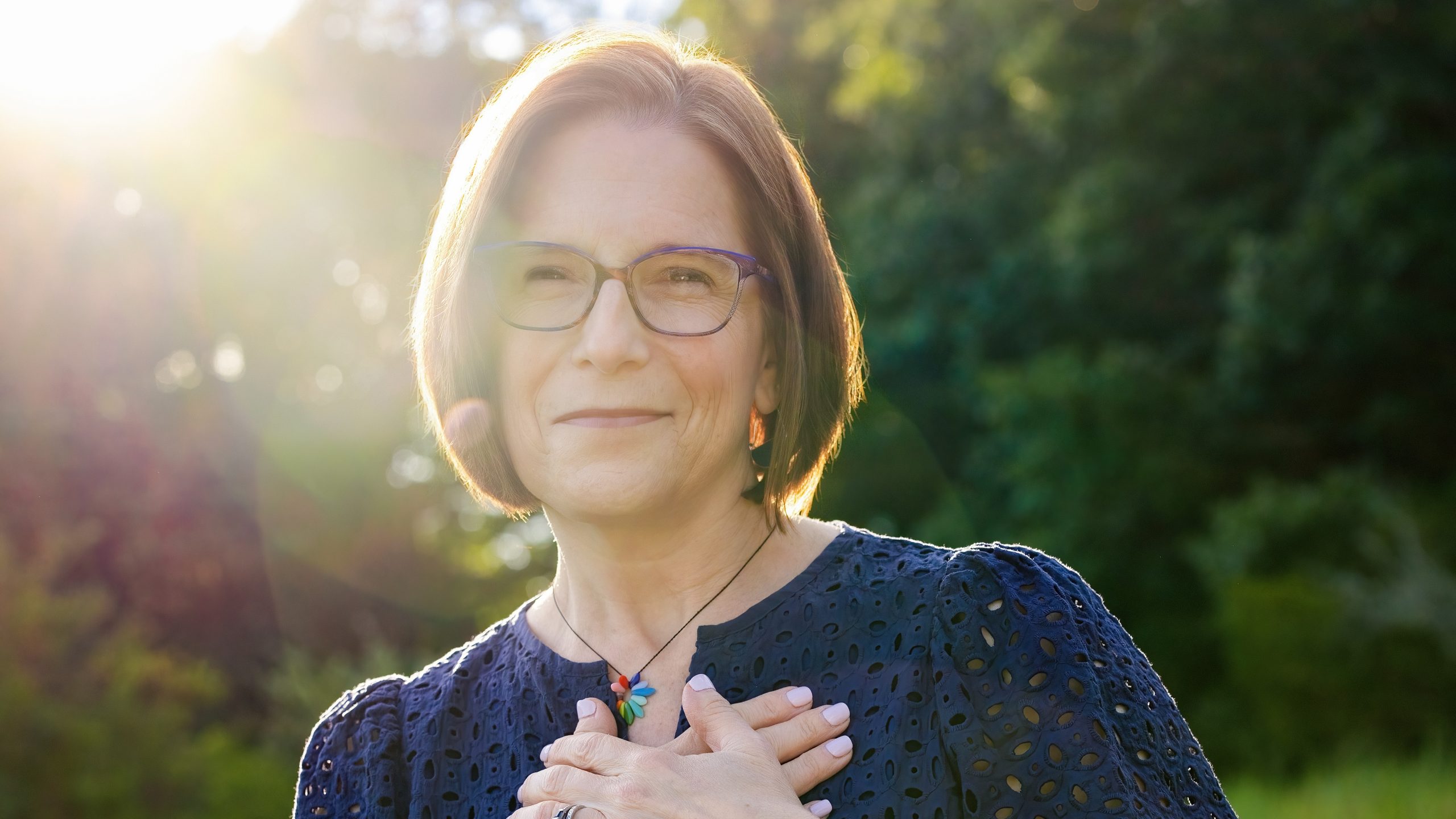
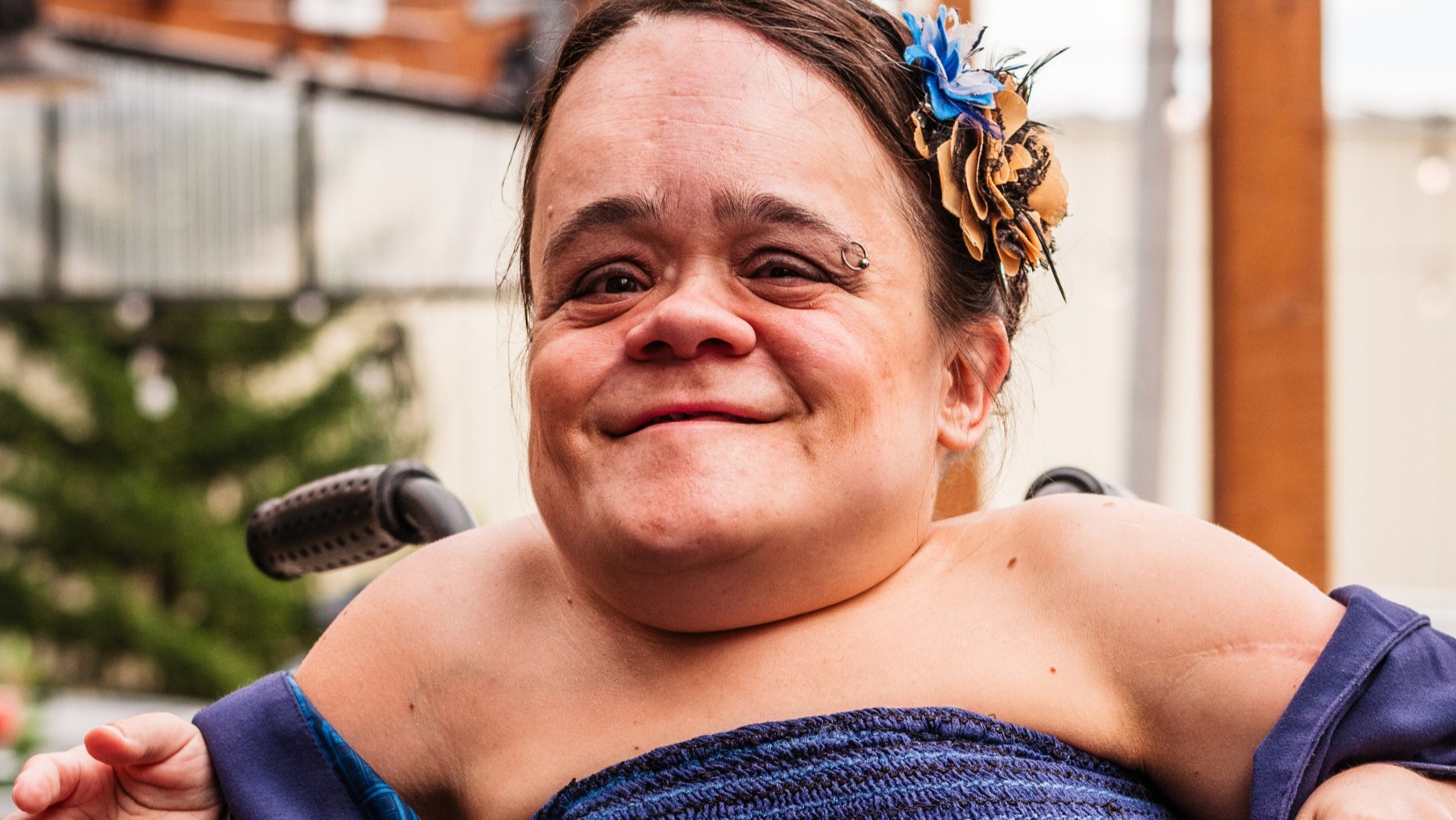
Mesmerized by an orchestra performance in fifth grade, Gaelynn Lea ’06 became determined to play the cello. An effect of osteogenesis imperfecta, her shortened limbs presented challenges to that goal, but, as she always does, she embraced adaptation, teaching herself how to play a violin held upright—just like a tiny cello. Her musicianship eventually led to a 2016 NPR Tiny Desk Contest win, multiple critically acclaimed albums, and more recently, a Broadway composing credit for Macbeth. Now, she’s added author to her list of accomplishments. Her memoir, It Wasn’t Meant to Be Perfect (Algonquin, 2026), examines life on the road as a touring musician, as well as her work as a disability advocate.
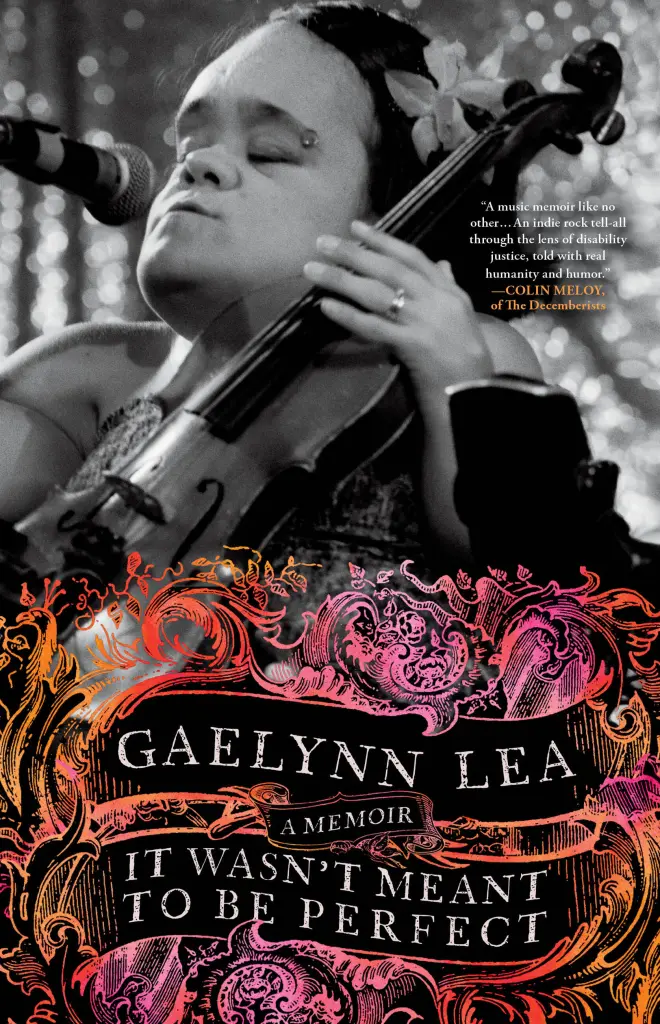
What motivated you to write a memoir?
People kept asking after shows if I’d ever write one. At first, I wasn’t sure what the through line would be, but as I kept doing disability advocacy work, I realized I did have ideas I wanted to express, and I also hoped to do what I call a disability sneak attack. I wanted the book to be rooted in music and creativity, a true artist’s touring memoir, but with real disability topics woven in. It’s funny and lighthearted. That was the goal: something that leaves people feeling uplifted.
The title suggests a theme of embracing imperfection. Where does that come from?
I think disability is a kind of universal. We’re all somewhere on a spectrum of physical ability, and it changes throughout our lives. And often it’s our biggest challenges that lead to growth or a new direction. If you really look back at your life, you’ll see that hard thing actually led to this amazing thing, and you can’t really take them apart. I want people to consider embracing their bodies and their lives as they are instead of always trying to perfect them.
How can others start living out that philosophy?
Adaptation is a perfectly viable way to make things work. I have a very visible physical disability, and so everything I do throughout the day involves some sort of adaptation. The idea of adapting becomes much less scary if you’re encouraged to try it. Fear often prevents people who would otherwise enjoy many different things from painting to writing or learning. Don’t worry about fitting the mold; adapt and do things your own way.
What do you wish venues and musicians understood about accessibility?
We need to start thinking of disability rights as civil rights—because they are. It’s been almost four decades since the Americans with Disabilities Act passed, and venues that still aren’t accessible have essentially chosen to look the other way. I don’t play inaccessible venues anymore, even though it limits where I can perform. It would be powerful to see nondisabled musicians take that same stance as well.
Additional Titles
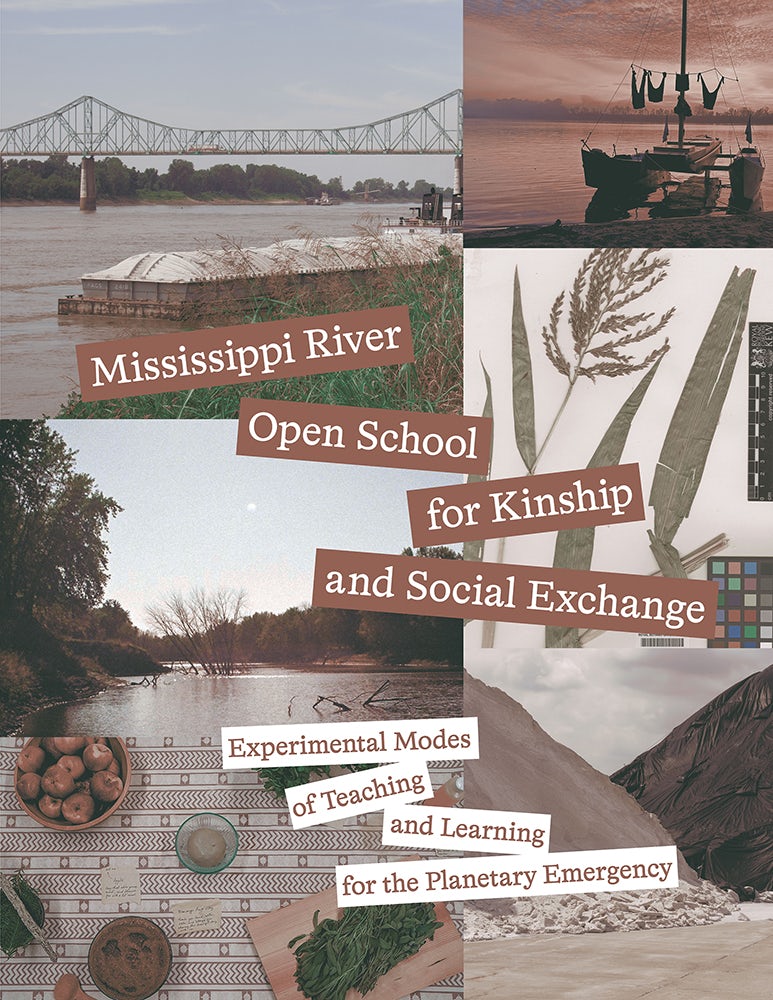
Dio Cramer ’20, John Kim, Jeremy Meckler ’10, and Rebecca Snedeker. Mississippi River Open School for Kinship and Social Exchange: Experimental Modes of Teaching and Learning for the Planetary Emergency (University of Minnesota Press, 2026)
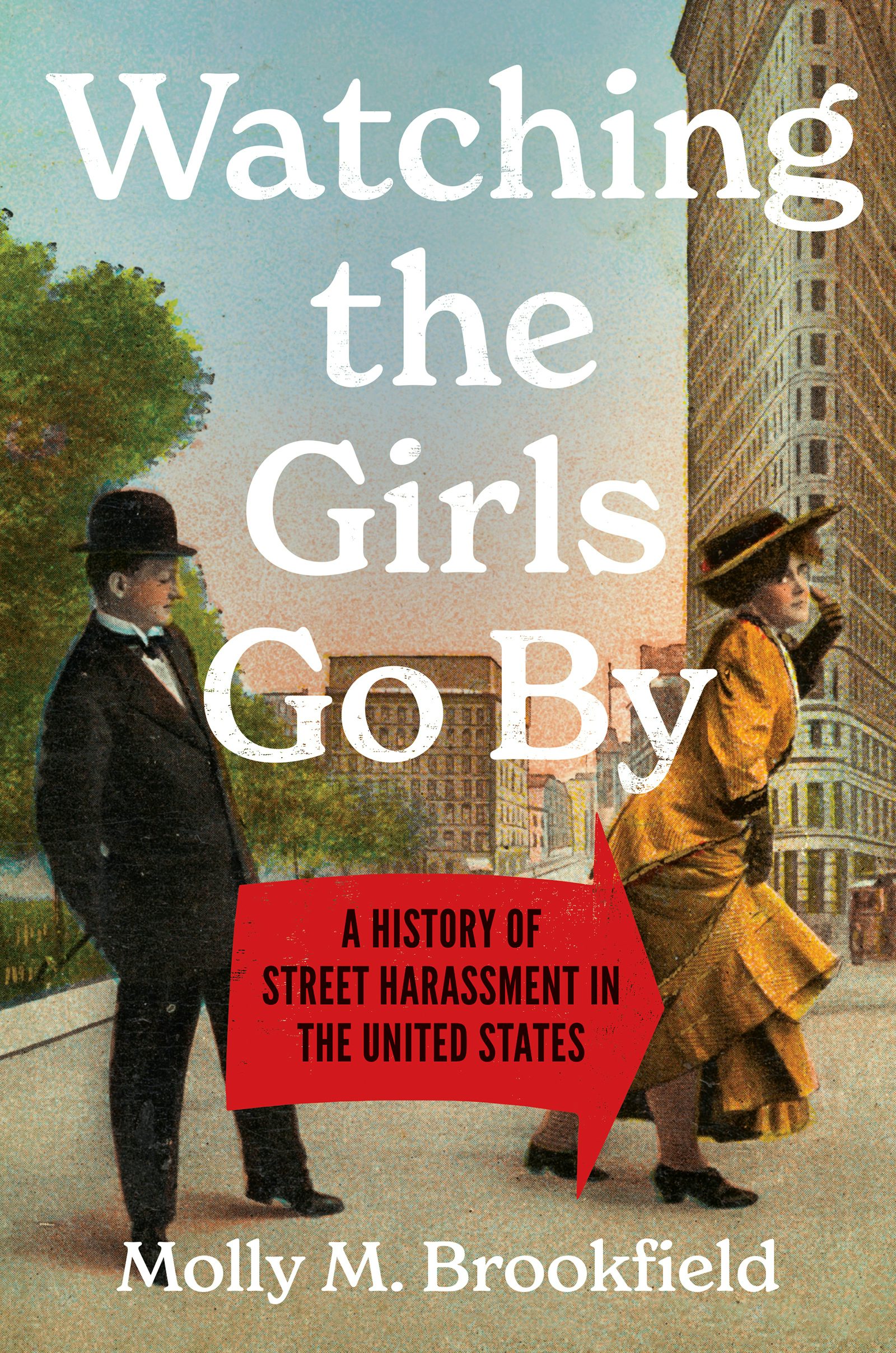
Molly M. Brookfield ’09. Watching the Girls Go By: A History of Street Harassment in the United States (University of North Carolina Press, 2026)
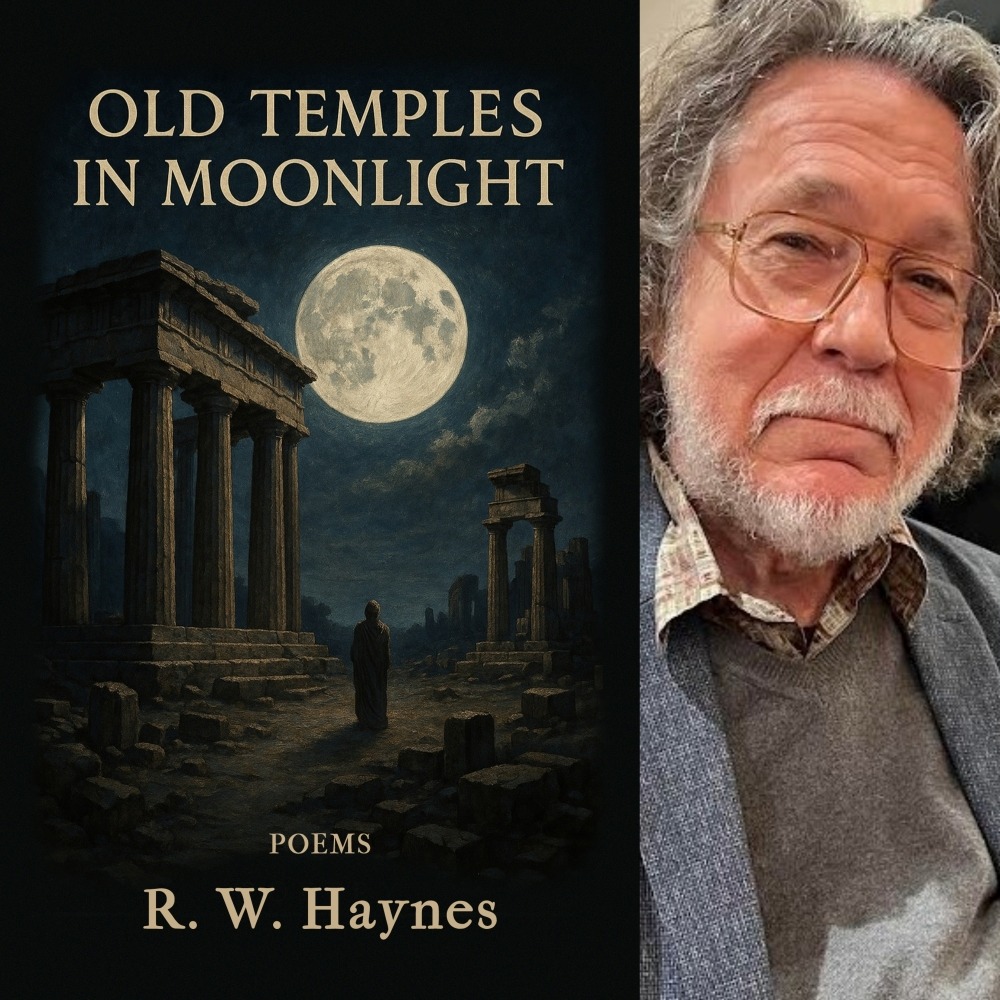
Robert W. Haynes ’73. Old Temples in Moonlight (Finishing Line Press, 2026) and Rancho Selfless (Cyberwit, 2026)
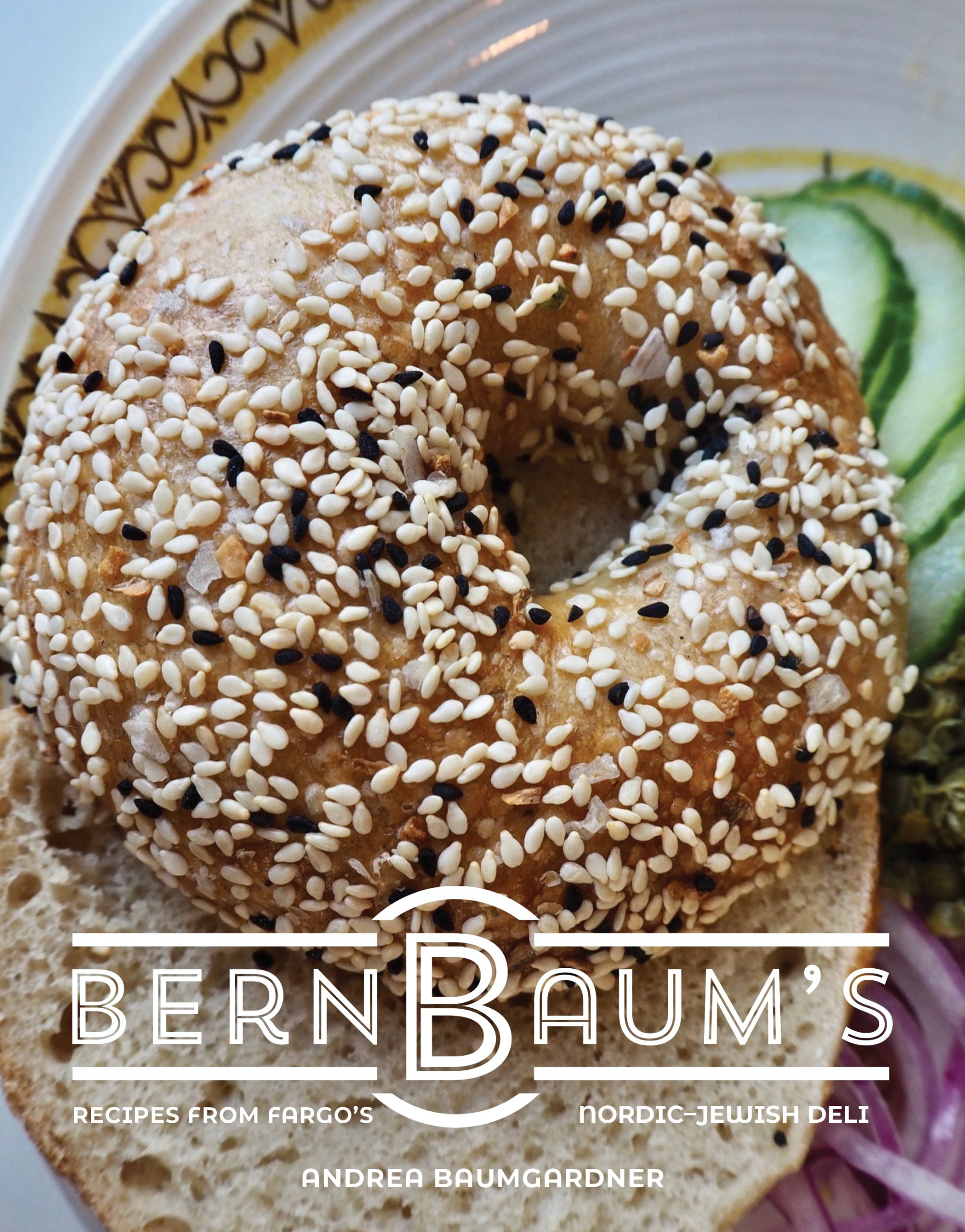
Andrea Baumgardner ’91. BernBaum’s: Recipes from Fargo’s Nordic-Jewish Deli (Dottir Press, 2026)
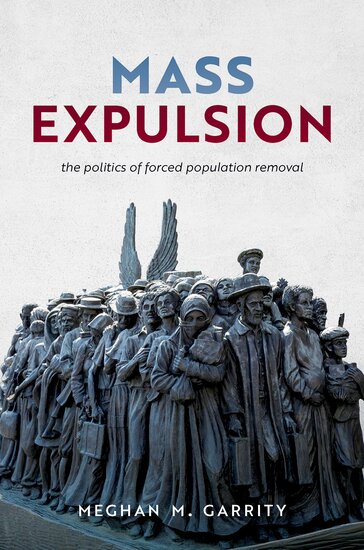
Meghan Garrity ’08. Mass Expulsion: The Politics of Forced Population Removal (Oxford University Press, 2026)
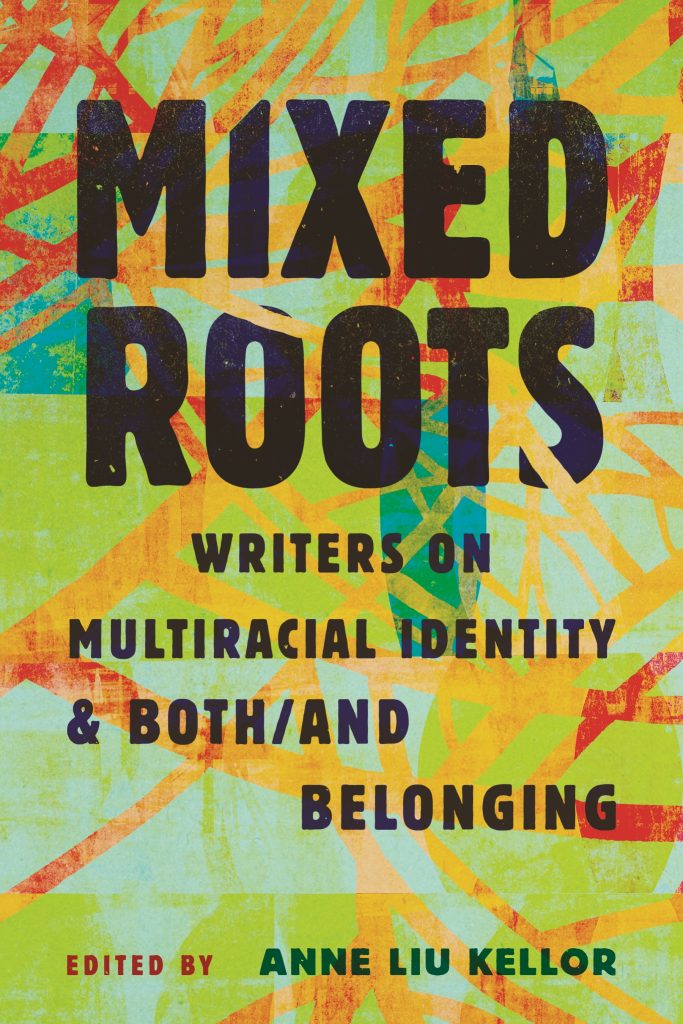
Anne Liu Kellor ’97. Mixed Roots: Writers on Multiracial Identity & Both/And Belonging (Beacon Press, 2026)
Email book publication news to [email protected].