




By Erin Peterson, Illustrations by Chris Gash
Read any book or website of inspirational quotations and you’ll probably come away with the idea that failure is little more than a speed bump on the path to success.
President Theodore Roosevelt? “The only man who never makes a mistake is the man who never does anything.” Thomas Edison? “There are probably one hundred disappointments to one success.” Serena Williams? “A champion is defined not by their wins, but by how they can recover when they fall.”
Easy for them to say.
The reality is that in the middle of it—before you’re a household name, an iconic athlete, or a face on Mount Rushmore—it’s not always clear that there may be a brighter future ahead.
So for this story, we asked successful alumni and community members to look back at a real failure that they experienced—and share, in their own words, what they’ve been able to draw from it.

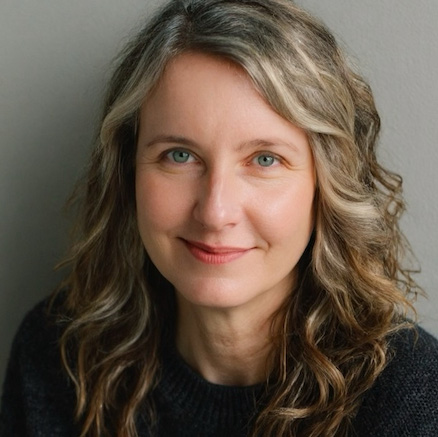
Bijanca Clark ’17 never wanted to go home again.
I’m from Moorhead, which is on the border of Minnesota and North Dakota, but I’ve always felt like a big-city girl in my heart. My plan was to leave at eighteen and never come back.
It worked for a while. I’ve been to Australia and Madrid; Austin, Texas; and Los Angeles.
I was in Miami for years, building my own media portfolio in the crypto space. There were all these conferences, so I just put myself out there. I took a microphone, got behind a camera, and did interviews with experts in the space.
But I wasn’t making any money, so I went into sales. It was great money but soulless. At some point, I was like, “I can’t stay at this job.” I quit without another one lined up.
I wasn’t able to get another job right away, and my savings were dwindling. I had no job, no prospects, and I was living in an Airbnb month to month.
I thought, “I don’t have a community here. I don’t feel connected. This is not living. I could die in my apartment, and no one would find me for days.”
So I went home. I moved in with my brother and three-year-old nephew. It was embarrassing. It was humbling.
But I also thought, “I’ll figure out something.” And I did. I found a job in sales at a TV station and went from there.
Today, I’m a host and producer of North Dakota Today, a lifestyle show. My whole life, I wanted to be on television. It was a perfect storm that led me back to my hometown, to broadcast television—I never would have come back here otherwise.
It’s true that the town has changed and grown and transformed. So have I. I’m a completely different person. I have a voice, and I can help highlight the things I love about this place.
Art professor Megan Vossler overlooked a camera setting and ruined a project years in the making.
Years ago, during a drawing class, students and I were talking about the idea of temporary disruptions to spaces. One of the ideas was about conjuring up a “baroque buffet” for the squirrels on campus.
It was an idea that stayed with me over the years, so one summer I decided to create a video of a squirrel buffet for a faculty exhibition. I got donated pastries from local bakeries; I set up goblets and silver platters from my drawing prop storage; and I checked out a pipe-and-drape setup from Special Events. I put my camera on a tripod and turned it on.
The squirrels came in a little bit slowly at first, but eventually they were tussling over the food and even taking it up into the trees. They were really, really into it. I was so excited and thought I might have enough footage for a four- or five-minute video.
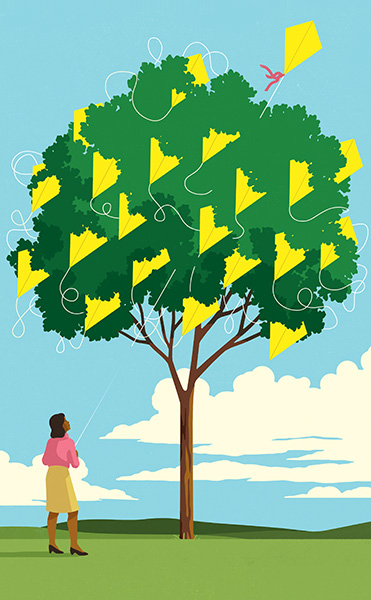
But when I went to look at the footage later, I realized I had never deactivated the autofocus, which meant it was constantly refocusing in a way that made the footage unusable. There was no way to edit it.
I felt terrible! It felt like such a waste of time. How could I not have noticed this camera setting beforehand?
What I didn’t do was take a deep breath and regroup to go out the next weekend and try it again.
I just thought, “Well, that’s done.” I let that idea go and moved forward with other things.
For me, the takeaway wasn’t that you always have to jump back in and keep trying the same thing. It was more that you don’t let a failure end your motivation or your willingness to take other risks.
The thing about being an artist is that you have to create the time and space for experimenting with ideas, even when you don’t know how things are going to turn out. That’s hard when we’re all so overscheduled and overcommitted. People don’t want to spend time on something unless they know that it’s going to turn out well. But sometimes you have to be willing to throw things away.
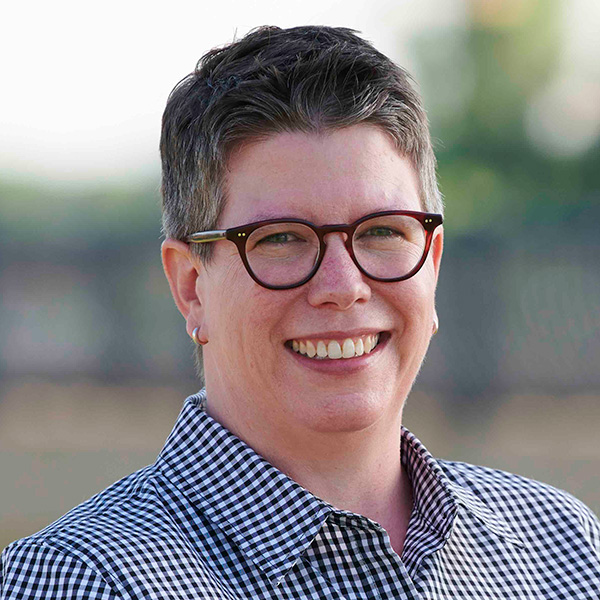
Lee Wallace ’95 couldn’t sell a cup of coffee.
When Peace Coffee was founded in 1996, our original customers were food co-ops and churches who would buy our coffee wholesale. And then, in 2010, we opened our first coffee shop in the Longfellow neighborhood of Minneapolis.
We thought it would be a good way to connect with the community in a different way. And it was! The coffee shop had a community room, and all kinds of different nonprofits and politicians would use it. When my college roommate would come to town from Rhode Island, she would take her family there. The regulars called it their Cheers.
But we were trying to make sure we also had the most ethically sourced milk, the most ethically sourced sugar. We wanted to bring in more people than those who could afford to spend $12 on a cup of coffee. We were always offsetting the losses from the coffee shop with money from the wholesale side of the business.
We thought if we added more coffee shops—we eventually had four—we could make it work, but we never quite got there. And when the pandemic hit, we closed all of them.
In the end, we were trying to run two totally different businesses, and my passion was in running the roastery. The pandemic was a forcing function, and the hardest part was laying people off.
I’m not sure I would call it my “favorite failure,” though, because failure is a weird word to apply to learning. You don’t want to beat yourself up because it limits your ability to grow from the things that you try. “Failure” is about measuring yourself. “Learning” is about figuring out where you’re going to go next.
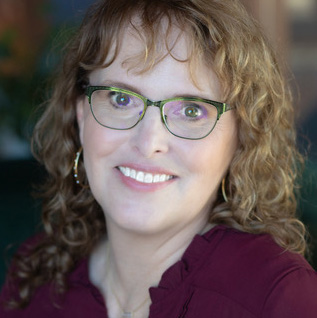
Rhiannon Gallagher ’93 walked away from the most prestigious opportunity she’d ever gotten.
After Macalester, I got a Fulbright to go to the UK. It was a diplomatic Fulbright, which meant there were palace obligations and diplomatic dinners. Almost everybody who got that Fulbright came from an Ivy League school.
I was so out of my depth! My classmates couldn’t believe I didn’t have a ball gown. I didn’t have any money, and I was shopping for ball gowns at thrift stores in London.
At one point, my classmates were having a discussion about homelessness, and people were saying things like, “Do we invoke Derrida for this? Is this a Foucauldian question?” And meanwhile, I was looking outside the window at a man who was selling The Big Issue, the magazine that homeless people on the street sell in London.
I was thinking, “Why wouldn’t we just ask him?”
This is the Macalester in me.
These were not my people; this was not the conversation I wanted to have. I wasn’t able—I wasn’t willing—to speak the language being spoken. It felt wrong to even try. I left after just a year, even though I had a scholarship for three.
Eventually, I started working at the Coleman Company, which makes camping products including RVs. I was working in their business development division in 1995, and my job was to figure out what to do with this new internet thing.
I was spending days getting lost in the bowels of the thing.
I was on an RV forum when I saw a post from a woman from Virginia who was trying to escape from her abusive husband. Someone had given her an RV, and she wrote, “How do I get to my sister in California?”
People wrote in and said, “You’re going to stay with me in Ohio.” They said, “You’re going to stop at this Walmart.” People were planning this route for her! Five years earlier, this would never have been possible. I was watching the map. I was watching this community get this lady and her kids from Virginia to California.
I thought, “This is magic.” I was a disciple of former geography professor David Lanegran, and I was fascinated by what it meant to apply geography to an online community.
I knew I was in the right place.
I think when you graduate, you feel like you have to pick the perfect thing that will keep you happy. But you don’t. In London, I was fundamentally in the wrong place.
Don’t be afraid to step off the path when you realize you’re in the wrong room.

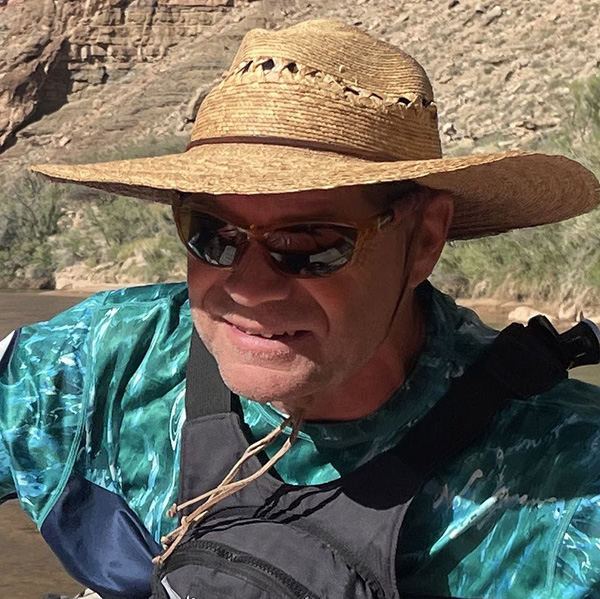
Stephen Barnes ’85 couldn’t build a better backpack.
In 2007, I was working at Osprey. We had this incredible history designing backpacks and thought we could tackle another problem: hydration for athletes. We started by interviewing ten thousand customers.
The three of us working on this tried so many things, close to one hundred variations.
We spent eighteen months on it! We made incredible Rube Goldberg pieces of sh**. We failed at everything we tried.
Eventually, we got to the point where we had to admit that the smartest brains in the space of backpack design couldn’t solve this. It felt like the ultimate failure, not to be able to solve it.
The issue was that we thought about everything from a “backpack perspective.” That’s what we did as a company! But we needed to think less about the backpack and more about the reservoir. And when we did, we ended up creating a reservoir with a little bit of a back panel adhered to it. That became the mental unlock for what the product actually became.
The failure was that we couldn’t get out of our thought pattern. We needed to be open to different ways of thinking, and learning to do that was one of my greatest takeaways from my Macalester experience.
The true innovators are the ones who can recognize failure and move on quickly, and if we had done that, we could have solved the problem in six months.
In the end, it was a success—we thought we might sell seven thousand units initially, and we ended up selling twenty-five thousand. Now, they’re doing 150,000.
It wasn’t until we reshaped the problem that we were able to solve the problem.
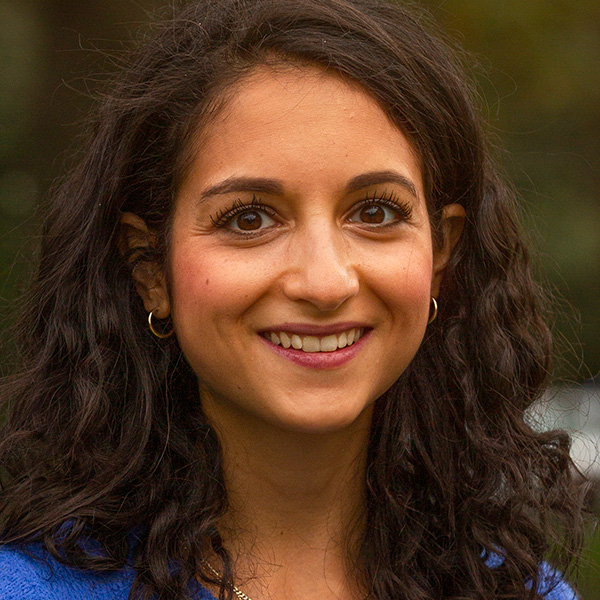
Libie Motchan Duggal ’14 built a brand for the wrong customers.
I’m the cofounder of Fulton, a modern arch-support brand that makes cork-based insoles and footwear designed for orthopedic support and comfort.
When we started, we wanted to create insoles for young people who might not realize that the root of their foot and back pain was their unsupportive shoes.
We didn’t want to be positioned like a medical, geriatric product. At the time—2021—there were all sorts of digitally native companies like Harry’s, Allbirds, and Warby Parker that were disrupting unsexy categories. That’s what we thought Fulton would be like.
So we brought on these cool young models and a cool photographer from Brooklyn. The whole look and feel of the website was modern and sleek and minimal. We focused on younger audiences on platforms like Instagram.
When we launched, we thought we would sell out immediately.
Instead, it was crickets. And it stayed that way for months.
It was stressful and, at times, existential. We didn’t have a plan B. So instead of continuing to convince ourselves that our original thesis was right, we started trying to understand why it was wrong.
We interviewed customers, ran focus groups, and dug deeply into what people were saying online. And we realized we had built the brand around the customer we wanted to have—not the customer who actually needed our product most. Our real customer was the sixty-year-old woman whose plantar fasciitis was keeping her from her daily walk, or the grandfather whose aching knees made it hard to keep up with his grandkids.
So we changed Fulton. We rebuilt our website, stripped away many of the bells and whistles, and focused on the actual problems our customers were trying to solve. We used older models. We changed where and how we advertised.
It was much less sexy—and much more relevant.
The business took off.
That failure fundamentally changed how I think about entrepreneurship. I learned not to fall in love with my hypothesis. Fall in love with the problem you’re trying to solve. The best founders aren’t the people who are right all the time. They’re the people who can recognize quickly when they’re wrong, let go of their ego, and change course.
Erin Peterson is a Minneapolis-based writer.