



The Words, March 2015
DeWitt Wallace Professor of English James Dawes on Evil and the Everyday
By Zoya Haroon ‘15
It felt slightly surreal to be drinking beer and accepting hor d’oeuvres after attending James Dawes’s inaugural lecture as DeWitt Wallace Professor of English. Half an hour earlier, the audience was silent as Professor Dawes recounted first-hand accounts of terrible atrocities of war. The lecture, entitled “Making Monsters: War Crimes and Ordinary Men,” dealt with the testimonies of truly evil men: serial rapists, mass murderers, professional torturers, and doctors who performed experimental surgery on prisoners of war.
As he recounted these terrible war crimes, Professor Dawes invited the people sitting in the crowded auditorium to ask themselves: why do we tell (or consume) these stories? What are we losing in telling these stories? And even more importantly: what are we losing in refusing to tell these stories?
Compared to these questions on the nature of evil, questions regarding Professor Dawes, his research, and his newfound position as endowed chair are easier to answer.
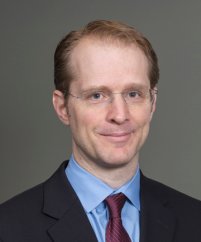
Being DeWitt Wallace Professor of English enables Professor Dawes to embark on more ambitious research. For his future projects, he has two research ideas in mind. The first is more traditional literary criticism work, and the second entails travelling internationally to analyze human rights processes. While these two projects seem distinct, Professor Dawes is confident that they will eventually merge into one another, forming a coherent whole.
Literature and human rights seem to be two disparate fields, but Professor Dawes maintains that they have much in common. One night years ago he realized: human rights work is essentially about telling stories. And as a literary scholar, Professor Dawes is in the business of telling stories.
In light of this realization, Professor Dawes set about merging the two fields. He began telling human rights stories; in Evil Men he recounts the stories of Japanese veterans of World War II, self-identified monsters. Encountering these stories is and was difficult – for Professor Dawes, who transcribed them, but also for his audience. He emphasizes that the most difficult part of facing evil is managing the distance between our mundane everyday lives and what we deem morally reprehensible.
Most of the time, Professor Dawes lives an ordinary life as a professor at Macalester. His favorite book right now is Little Bee by Chris Cleave and his favorite show is “Avatar: The Last Airbender,” which he watches with his kids. At the same time, Professor Dawes’s work transports him – both physically and emotionally – to some of the most egregious acts committed in the history of humanity.
When asked about the difficulty of navigating these two worlds, Professor Dawes maintains that the distinction is not as remote as it seems. We all face terrible stories on a daily basis, and so we all constantly must interact with evil. Dawes claims that if we keep evil at a distance, we are refusing to confront and honor these stories: we demonize evil as something distinct from our own existence. But if we acclimate to evil, we risk becoming desensitized. Most importantly, if we don’t maintain a sense of the absolute otherness of evil, we ourselves are philosophically and morally compromised. We come dangerously close to understanding, or even forgiving evil.
The ethics of encountering evil are murky and complicated. While Professor Dawes doesn’t necessarily have any answers regarding the paradox of evil, he does offer Macalester students the following advice: “study hard, sleep well.”