



Academic Engagement
Community-Based (CBL) and Community-Engaged learning (CEL)
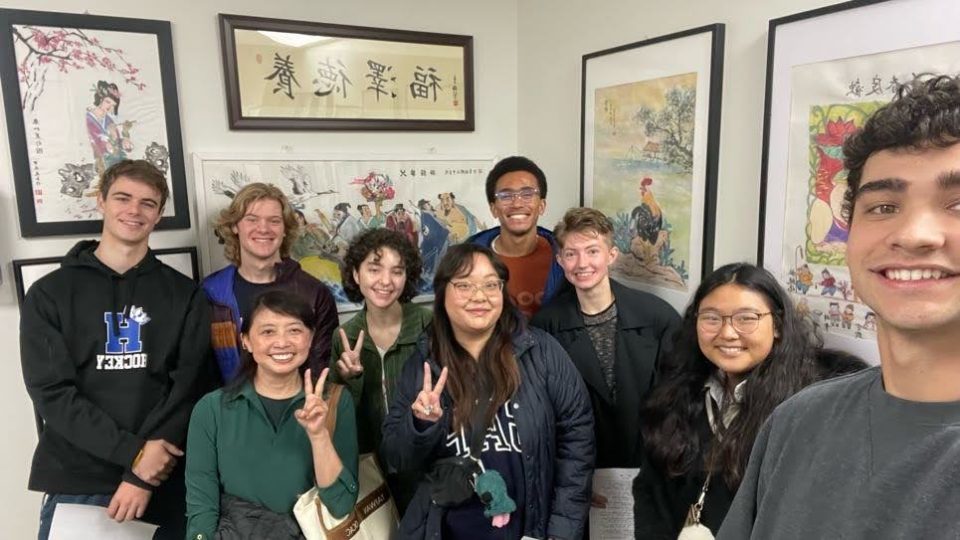
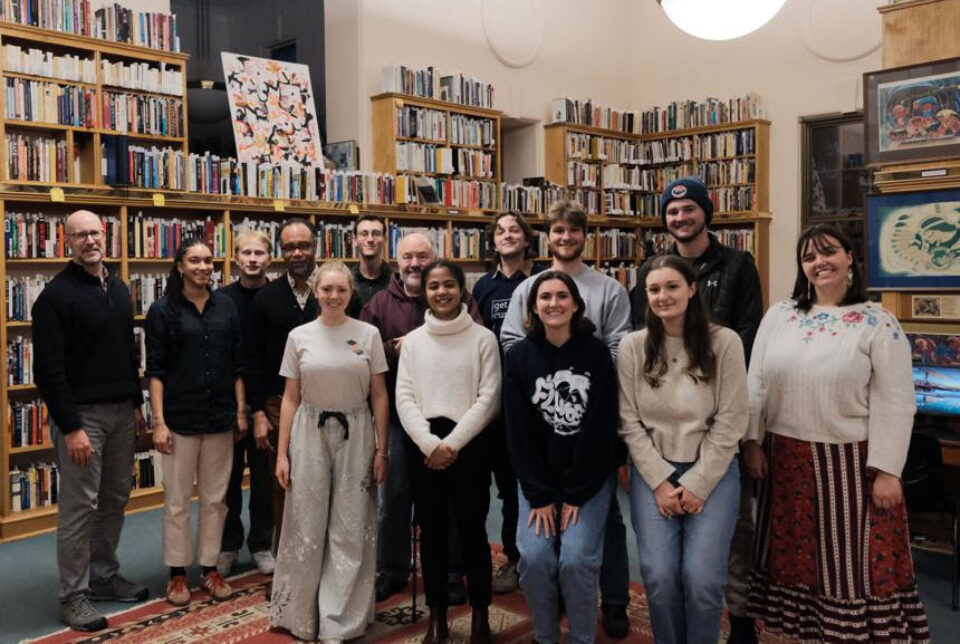
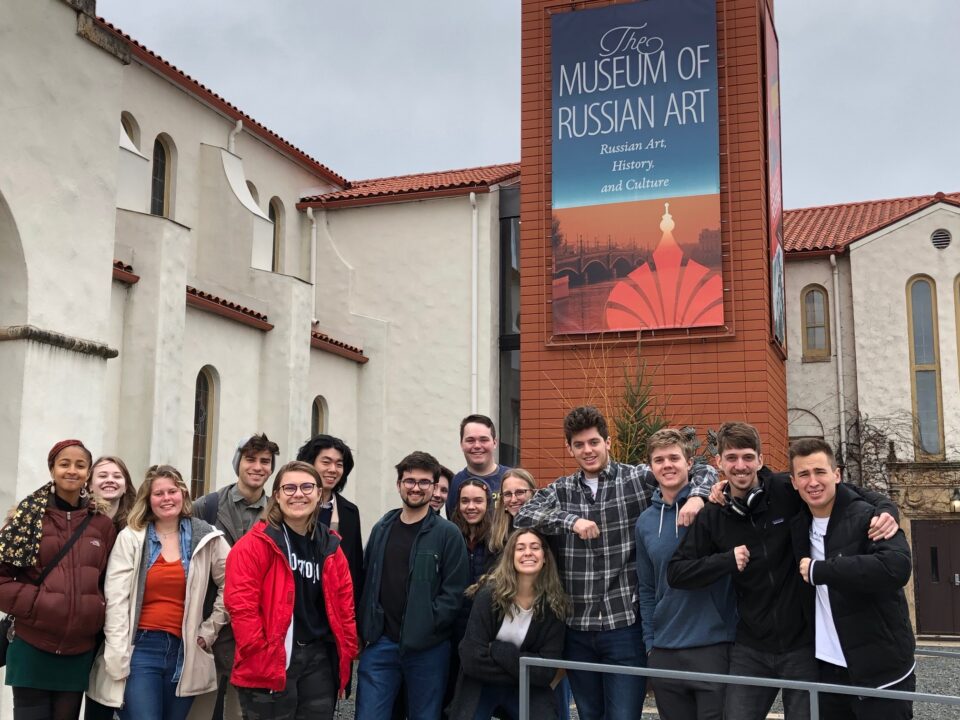
CBL and CEL integrate community partnerships with instruction and critical reflection that focus on building and sustaining relationships that center community knowledge(s) and agency in order to creatively solve problems, engage community-identified needs and initiate transformative change. Macalester is a longtime leader in linking academic learning to community involvement. High quality CBL andCEL brings forth multiple layers of learning, teaching, and problem solving. Student work such as tutoring, research, analysis, or problemsolving holds reciprocal benefits for the students and their community partner. Aligning learning objectives with an existing community need is a critical step in these real world, engaging learning experiences. Each semester, the Community Engagement Center strives to provide necessary resources and support for faculty who would like to embed community engagement into their curriculum. During the 2025-26 academic year, 51 professors in 27 Macalester departments offered 70 courses with community engagement components.
Understanding the Difference
| Experiential (not CBL/CEL) | Community-Based (CBL) | Community-Engaged (CEL) | |
| Definition | Learning experience that involves a trip to a community site or a visit/presentation from a community member who shares their knowledge. Students are asked to reflect and make meaning of this in relation to course learning goals. | Students take on an active role that is identified by a community partner (could be 1-time or ongoing). Students reflect and make meaning of this in relation to course learning goals. In ongoing CBL throughout the term, the community engagement can be considered one of the “texts” of the course. | A course and community partner(s) collaborate on a project to achieve community-identified goals, build community capacity, or engage a broader public. Goals and outcomes are co-created, and community knowledges are validated and legitimized through the process. Students regularly reflect and make meaning of the engagement in relation to course learning goals. |
| Example | Students in an Art History course visit a relevant exhibit at an art museum. | Students in an Art History course receive training from an art museum and then lead groups of middle school students in guided visits. | Students in an Art History course partner with an art museum to create curriculum that the museum will use for guided visits by an underserved population. |
| Student Role | Passive role. Students may interact with cultivated content (i.e. exhibit) or ask questions of a speaker, but they have limited interactions with the public and are not involved in creating anything for the public. The experiential learning opportunity is primarily for their learning as a student. | Active role. Students engage in work identified by the community partner that involves interactions with the public. However, they are not building capacity or creating something new—they are filling a need identified by the partner. | Creative role and/or builds capacity for a community partner or a public audience. While CEL often involves interactions with the public, the primary focus is on a product or outcome created via a process of deep engagement with community. |
All three categories above can offer meaningful learning experiences, and a single experience or project can overlap multiple categories. The CEC primarily focuses on CBL and CEL, as the experiential learning category is more disciplinary in nature and less focused on public impacts and outcomes. For the limited resources that we are able to allocate for experiential learning that is not CBL or CEL, we prioritize opportunities that highlight community knowledges and grassroots and underrepresented perspectives.
Project Pericles invites faculty at Periclean institutions to apply for grant opportunities for Spring 2027 and Fall 2027 courses. Applications are due internally by October 5, 2026. Funded by the Mellon Foundation and the Eugene M. Lang Foundation, these grants provide up to $4,750 to support faculty in developing or enhancing community-engaged learning courses and partnerships. Please utilize both of the links below to complete your application.
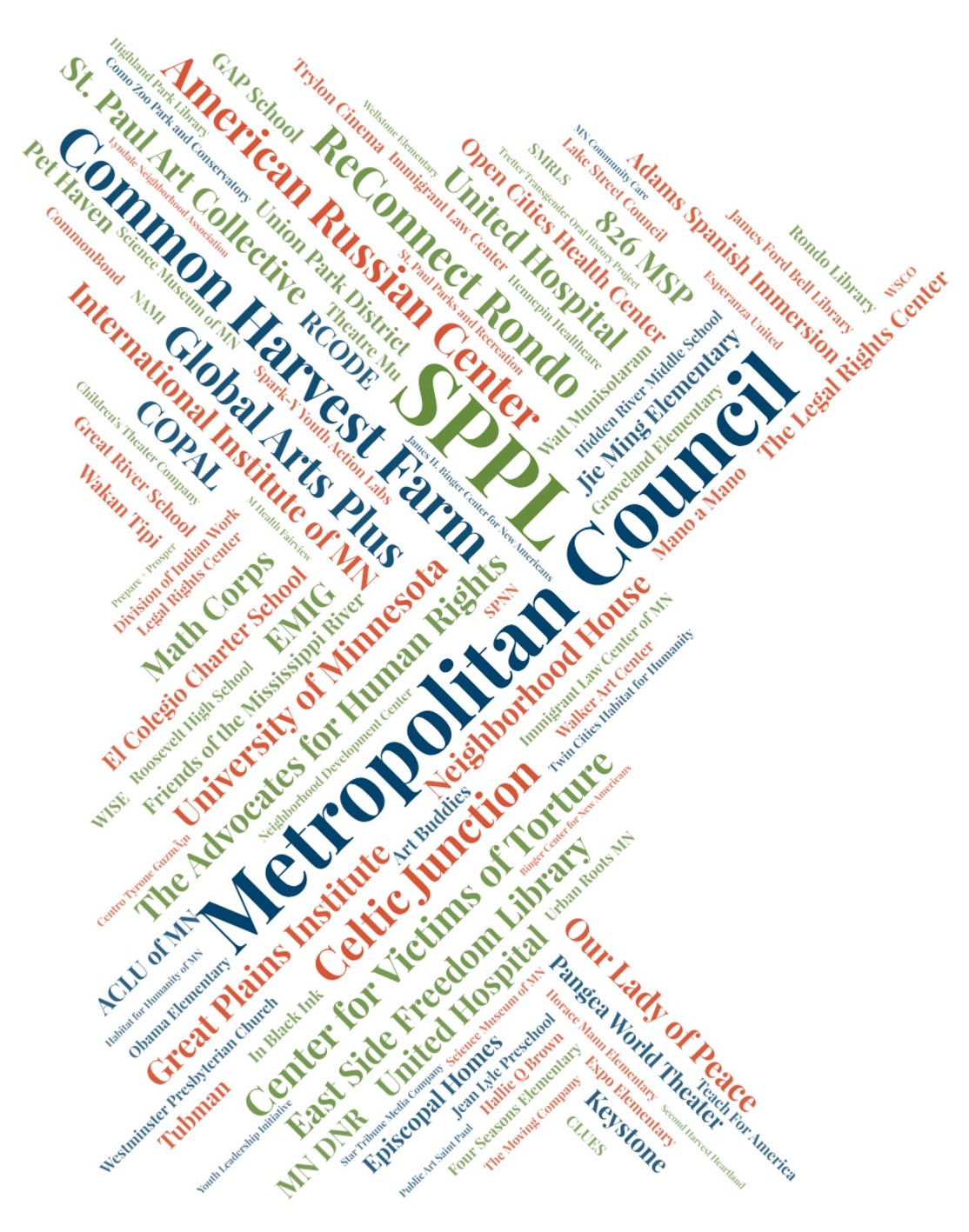
Current Community Partners
Scholarly Resources
-
The Michigan Journal of Community Service Learning A national, peer-reviewed journal focusing on research-driven articles about community-based research and teaching.
-
Journal of Higher Education Outreach and Engagement A national, peer-reviewed journal that includes research articles, reflective essays, and discussions of projects in progress.
-
Journal of Community Engagement and Scholarship A national, peer-reviewed journal that offers essays devoted to field notes, community perspectives, and student voices as well as traditional research articles.
-
National Service-Learning Cooperative Clearinghouse A large, searchable database of publications.