



Turning Vision into Action: Live It Fund J-Term Projects
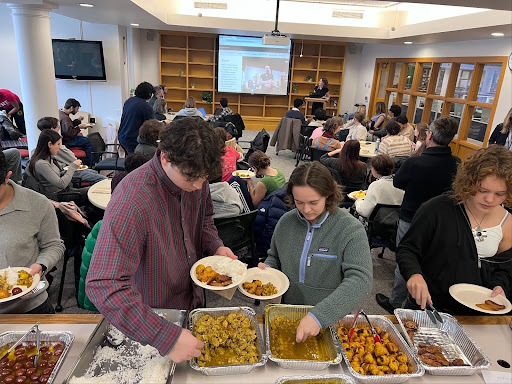
On February 5th, students, faculty, staff, and friends gathered to watch six innovative students present their J-Term Live It Fund Projects. Participants and viewers feasted on catering by Channa Kitchen, one of the businesses Fitz ’26 featured in her project, Voices of Lake Street, while appreciating the incredible work these students accomplished in under six weeks.By Natalie Mazey ’26

At its core, the Live It Fund is built on a simple but powerful idea: students already see the change the world needs—sometimes they just need the resources, structure, and support to make it real.
Through funding and hands-on mentorship, the Live It Fund supports students as they transform ideas into action and pilot innovative solutions to complex challenges on campus, in communities, and across the globe. During J-Term 2026, six students participated in a six-week structured program designed to help them refine their ideas, test solutions, and bring early-stage projects to life. Projects receive up to $2,000 in funding during J-Term, with opportunities for deeper development through the summer program.
This year’s J-Term cohort reflects the breadth of what change-making can look like, spanning education, reentry support, immigrant storytelling, environmental stewardship, labor visibility, and creative learning. Together, these six projects demonstrate what happens when student creativity meets community-centered action.


David Rios Torres ’27
In David’s hometown of Santa Cruz, Bolivia, access to higher education is shaped by more than academic ability. With only 100 spots available per major at the public university and a stark mismatch between high school curricula and university entrance exams, students from low-income backgrounds face structural barriers that talent alone cannot overcome.
David saw this need and felt a calling to give high school students the support to make dreams of higher education come true. His project, Camino a la U, confronts this inequity directly by offering free math preparation workshops for low-income high school seniors preparing for the university admission exam. By eliminating financial barriers and providing targeted instruction, the project ensures that students are evaluated on their potential and not their ability to pay for private tutoring. Over J-term, David hosted two-week long workshops for two groups of students. By the end of the sessions, students’ test scores rose dramatically, showing the massive impact a six-week long project can make on students’ futures. Camino a la U is a powerful intervention in a system where opportunity is scarce, reframing university access as a matter of fairness rather than privilege.
Blanche Reading ’26
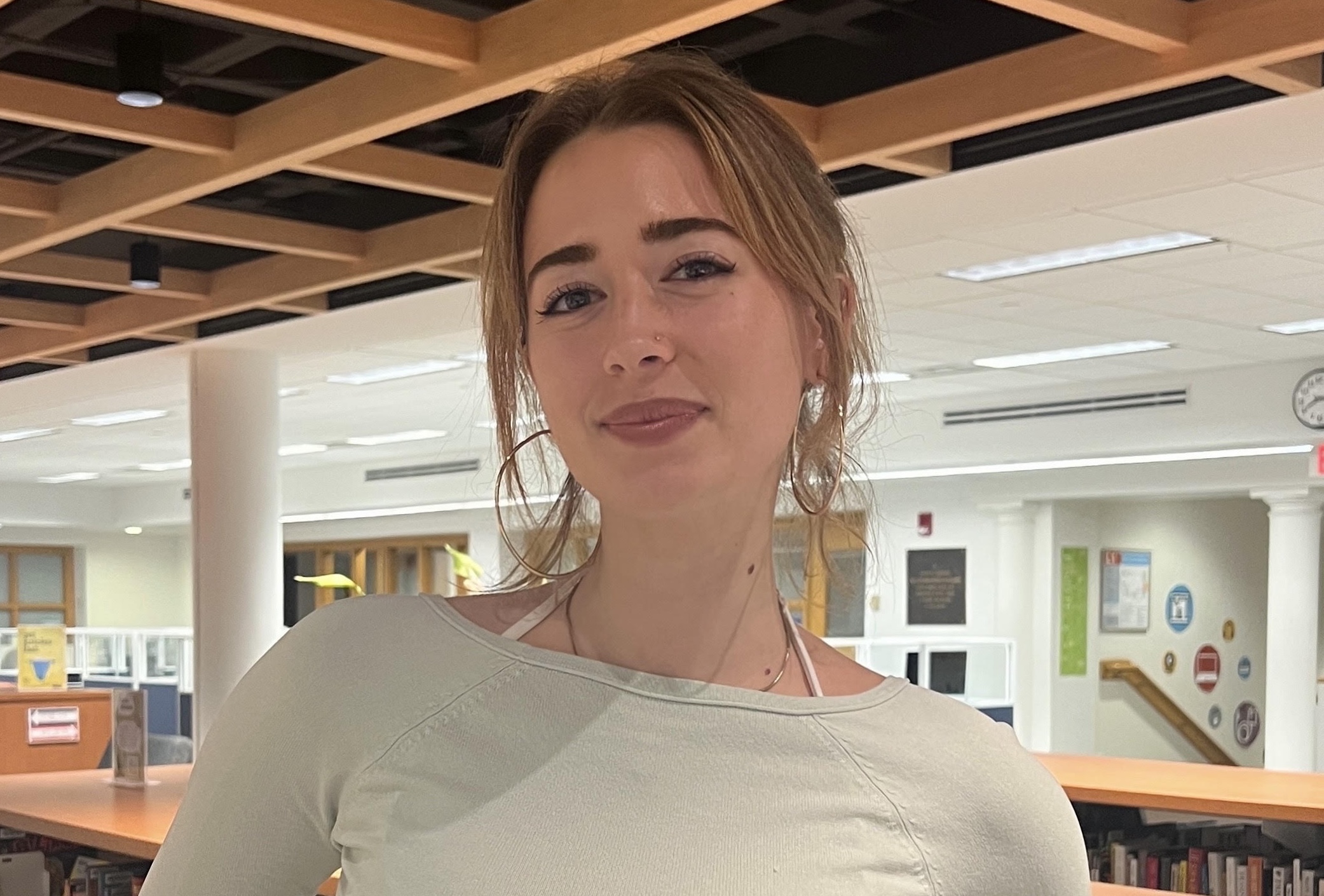
Reentering society after incarceration is often overwhelming, fragmented, and filled with outdated or inaccessible information. Through her work with BLANK, Blanche Reading ’26 noticed this gap and wanted to use her J-term to address this problem. ReEntry Connect MN responds to this challenge by creating a centralized, user-friendly website for individuals returning from incarceration in the Twin Cities.
Blanche’s platform uses artificial intelligence to continuously update housing, employment, and support resources while generating tailored guidance through a simple chat interface. By removing unreliable information and streamlining access to services, ReEntry Connect MN empowers users to take confident, actionable steps forward. At the same time, it reduces the administrative burden on caseworkers, allowing them to focus on high-impact, person-centered support. The project blends technology and compassion to address one of the most critical gaps in reentry systems, building off of Blanche’s previous experience working with those exiting incarceration.

Caroline ‘Fitz’ Fitzpatrick ’26
Lake Street in South Minneapolis is more than a commercial corridor; it is a living archive of migration, resilience, and entrepreneurship.Through her work on Lake Street Council and as an avid customer of Lake Street businesses, Fitz ’26 saw a need to share the stories that make this street into a vibrant community. Her project, Voices of Lake Street, is a place-based storytelling initiative that amplifies the voices of East African and Latin American business owners, focusing on their immigration journeys, entrepreneurial paths, and visions for the future.
Building on the Lake Street Council’s existing history project, this initiative highlights how recent waves of immigration have shaped and strengthened the area. In a political climate marked by anti-immigration rhetoric and policy, Voices of Lake Street offers a counter-narrative rooted in lived experience. By documenting stories of struggle and perseverance, the project honors immigrant contributions while creating space for community reflection and solidarity.
Joseph Saputra ’27
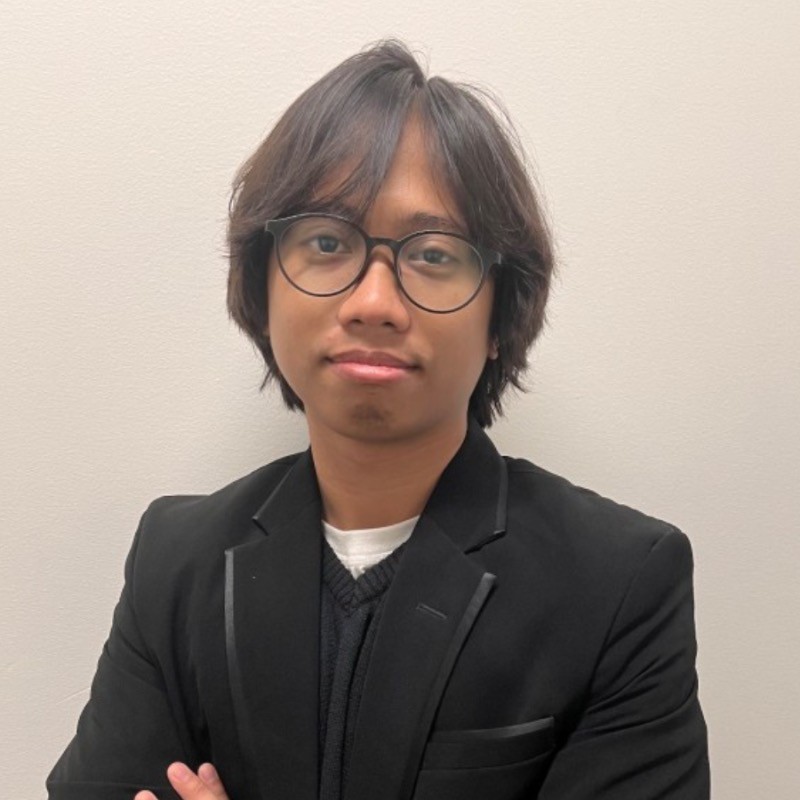
Joseph saw a need to make change in his hometown: “Everyone deserves to be noticed,” Joseph said. “Not just as a number, but as a human being with a story.” In Surakarta (Solo), Indonesia, unregistered street sellers and elderly workers are essential to the local economy yet often remain unseen and unsupported. Peta Hip Solo seeks to change that through a digital storytelling and mapping platform that makes invisible labor visible.
Over J-term, Joseph worked remotely, organizing volunteers and coding his website. Through volunteers who travel across Solo to collect personal stories, the project creates a digital map that introduces residents and visitors to these workers and enables direct micro-donations. Beyond financial support, the project fosters recognition, dignity, and appreciation for people whose labor sustains everyday life. Peta Hidup Solo reframes economic participation as a shared responsibility and invites the public to support local livelihoods in meaningful, human ways.
Alice Gray ’26
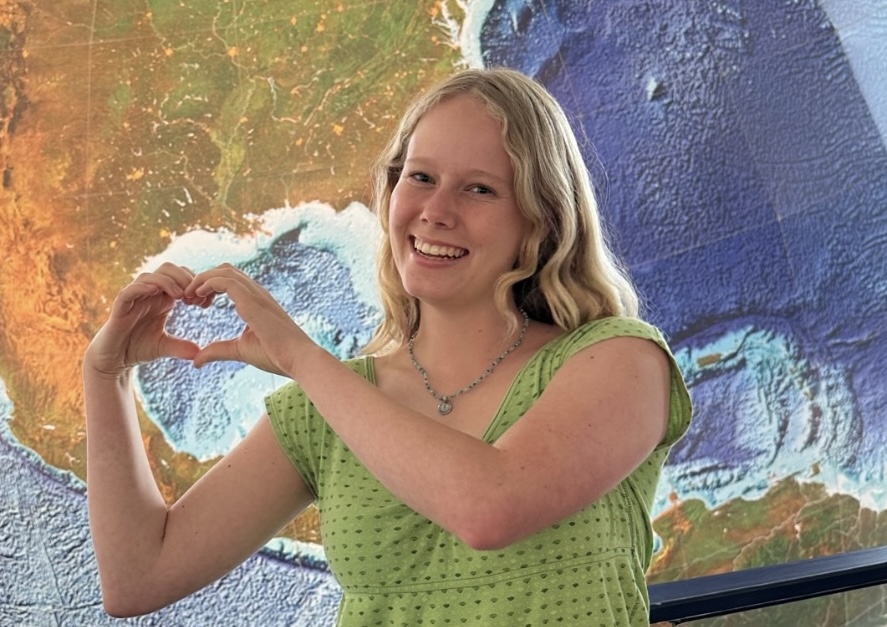
Wetlands are vital ecosystems, yet they are frequently misunderstood, polluted, or mismanaged. Humedales en tinta (“Wetlands in Ink”) addresses this issue in Valdivia, Chile, through an unexpected but powerful medium: printmaking. Alice, who previously studied abroad in Chile, found that printmaking is like “leaving a footprint.” Creating art outdoors can lead to greater connection to the land itself.
The project hosted collaborative community workshops where participants reflected on their relationships to local wetlands, processed the impacts of climate change, and translatde environmental concerns into visual art. By merging creative expression with environmental education, Humedales en tinta increased access to printmaking while sparking dialogue about ecological responsibility. Alice’s work demonstrates how art can serve as both a tool for awareness and a catalyst for stewardship.
Lenti Govoreanu ’29
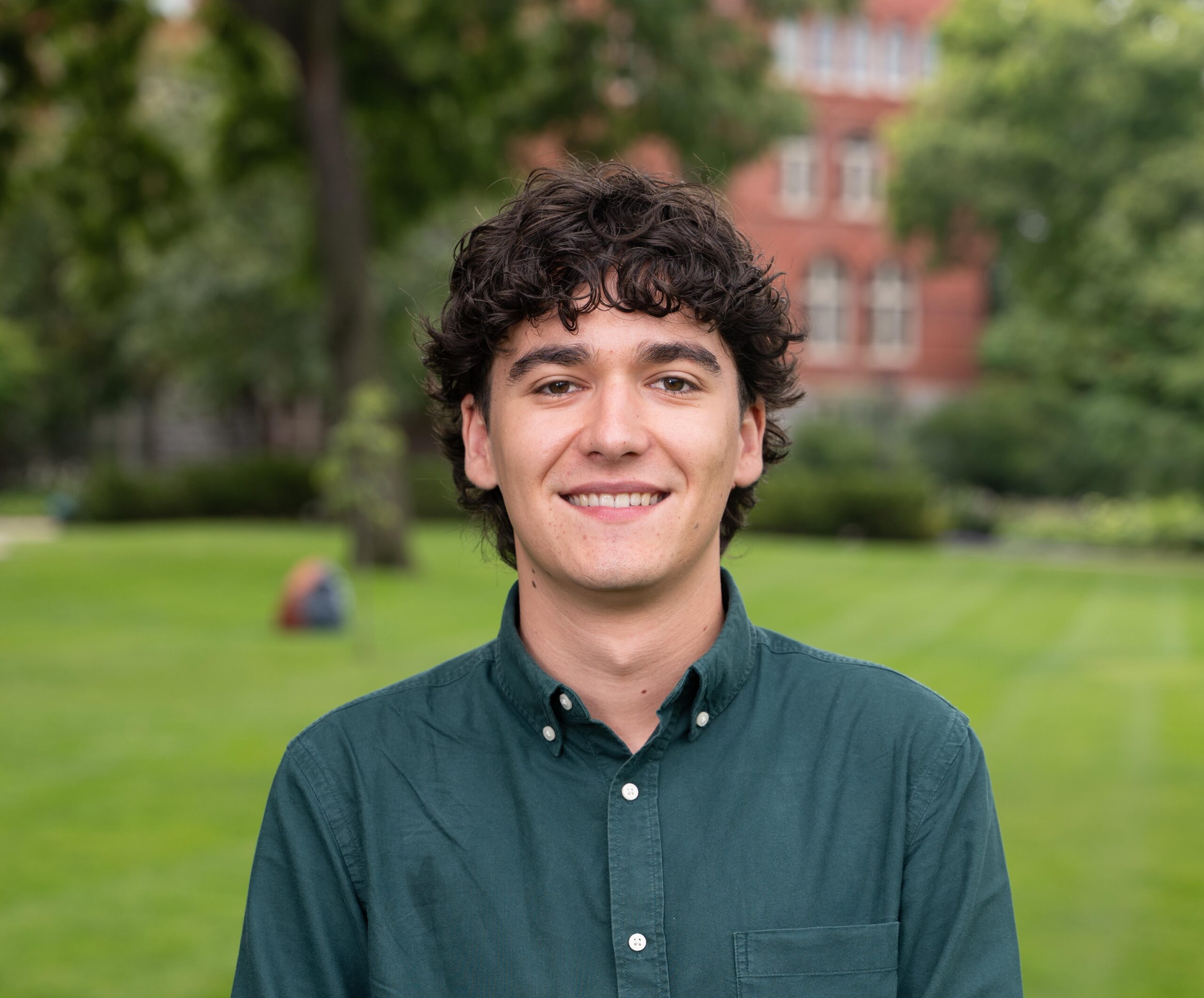
For students in rural Romania, Lenti’s hometown, limited educational resources often make language learning feel inaccessible or disconnected from daily life. The Sound of English reimagined English education through music-based workshops that transform students’ favorite songs into engaging learning tools. Lenti wanted to bring a “different style of learning” to the classrooms he grew up in.
Rooted in the creator’s own experience growing up with limited educational opportunities, the project emphasizes joy, creativity, and relevance. By connecting language learning to music, the workshops create an empowering environment where students build confidence alongside skills. Using popular English music from Dua Lipa to Billie Eillish, Lenti taught English vocabulary and sentence structure, incorporating snacks, dancing, and fun to the classroom environment. The Sound of English offered a sustainable, low-cost model for education that meets students where they are, proving that effective learning does not have to be rigid to be rigorous.