

2026 January Live It Fund Students
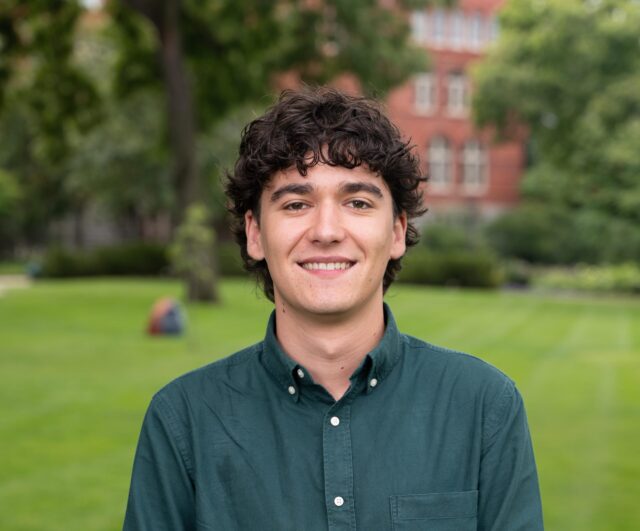
Camino a la U (Path to University)
Camino a la U provides math preparation workshops for low-income high school seniors in Santa Cruz, Bolivia to help them pass the university admission exam. With only 100 spots per major at the public university and a significant gap between high school preparation and exam requirements, students from underprivileged backgrounds face systemic disadvantages that this project aims to address. By offering targeted instruction and eliminating all financial barriers, Camino a la U ensures that talent, not wealth, determines who gets to pursue higher education.
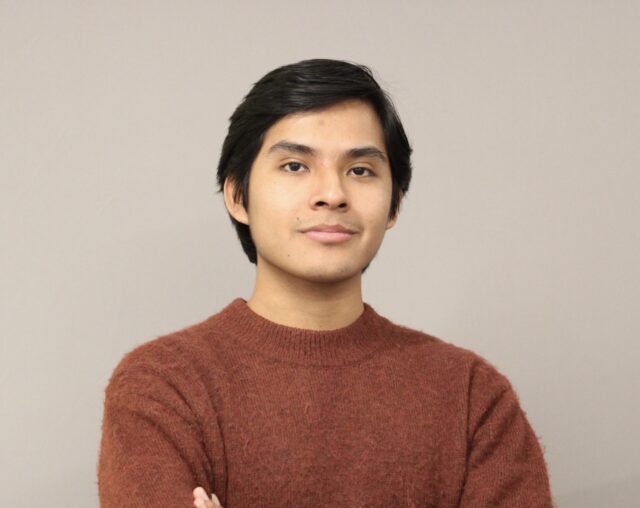
ReEntry Connect MN
ReEntry Connect MN is a website that makes reentry in the Twin Cities easier for individuals recently released from incarceration by centralizing accurate, up-to-date housing, employment, and support resources for people returning from incarceration. Employing Artificial Intelligence to continuously update resources and generate tailored user profiles with actionable guidance through a simple chat interface, the platform actively removes outdated information and lightens the workload for caseworkers, allowing them to focus on higher-impact, person-centered support. Users benefit from a streamlined, trustworthy tool that cuts through confusion, creates actionable plans, and empowers them to take confident steps forward during reentry.
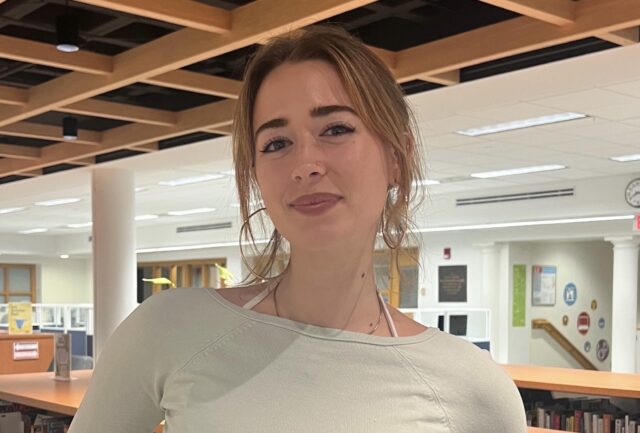
Blanche Reading ’26
Voices of Lake Street
Lake Street is a vibrant hub of diverse communities, public art, local businesses, & powerful stories located in the heart of South Minneapolis. My Live-It Fund project, Voices of Lake Street, is a place-based storytelling initiative that will highlight perspectives of East African & Latin American business owners on Lake Street – specifically their immigration & entrepreneurial journeys, & what they imagine for the future of their communities. The stories of struggle & resilience on Lake Street parallels experiences felt by other immigrant communities across the country, especially amidst this fearful political atmosphere caused by the federal government’s anti-immigration policies. This project will build upon Lake Street Council’s existing history project by sharing how recent waves of immigration have shaped and strengthened the globally diverse corridor we see today.

Fitz ’26
Peta Hidup Solo
Peta Hidup Solo is a digital map that shares the stories of unregistered street sellers and elderly workers in Surakarta. The project makes these invisible workers visible and allows people to support them through direct micro-donations. I will travel across Solo to collect stories, build the platform, and launch a citywide awareness campaign. The impact will be significant; this project will help people see that these workers exist, value their contribution, and support the local economy in meaningful ways.
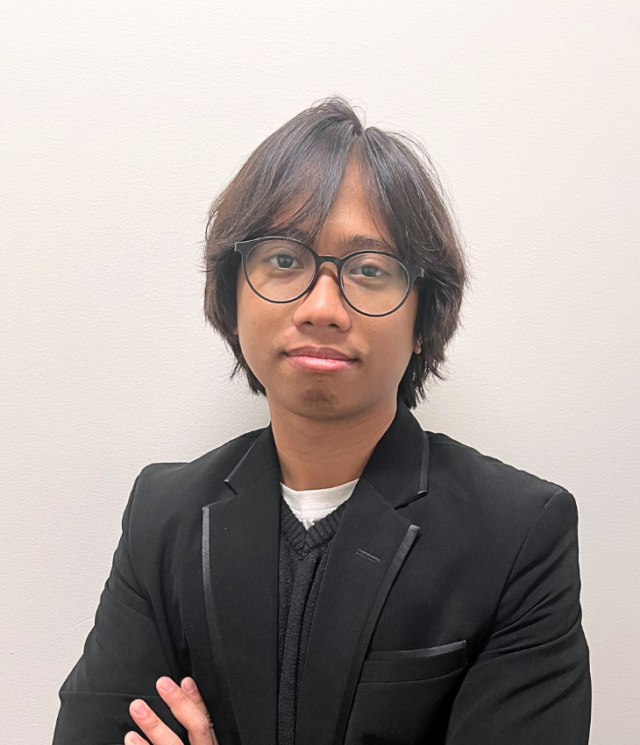
Joseph Saputra ’27
Humedales en tinta: Community printmaking for wetland stewardship
“Humedales en tinta” addresses wetland pollution and mismanagement through the creative tool of printmaking. This project is a series of collaborative, community print workshops that encourage artists to reflect on their relationships to local wetlands, process the impacts of climate change, and inspire action. “Humedales en tinta” aims to spark environmental responsibility, communicate environmental issues to the wider community, and increase access to the art of printmaking in the wetland-filled city of Valdivia, Chile.
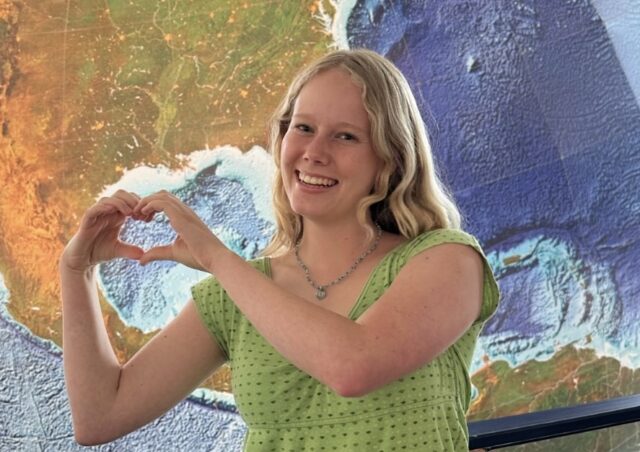
Alice Gray ’26
The Sound of English
The Sound of English is a series of creative, music-based workshops designed to help high school students in vulnerable rural Romania improve their English by transforming their favorite songs into engaging learning tools. Rooted in my own experience growing up with limited educational resources, the project aims to make language learning accessible, fun, and empowering for youth in small communities. By connecting education with students’ daily interests, it provides a sustainable, low-cost model that makes quality learning both relevant and enjoyable.